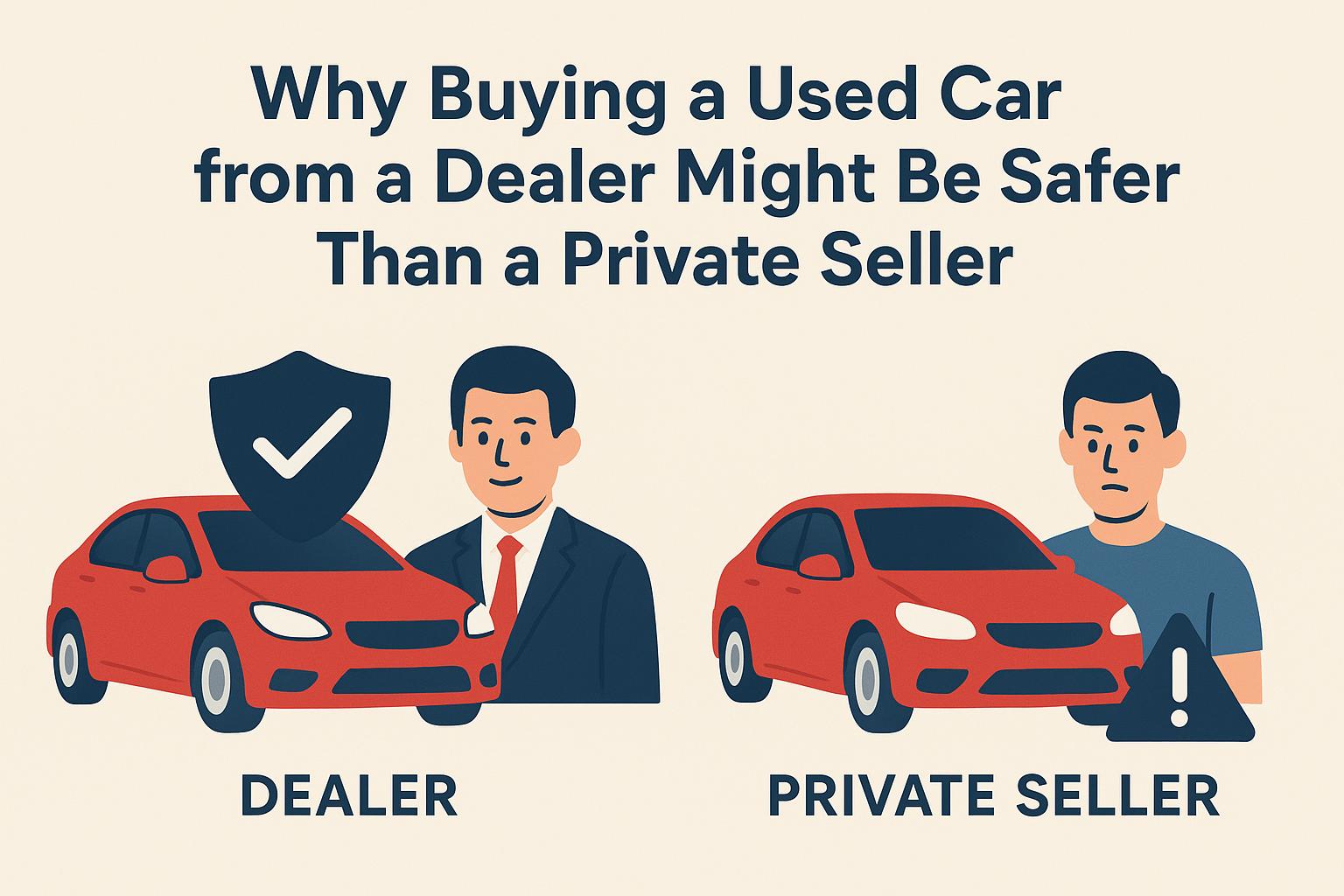
When it comes to purchasing a used vehicle, one of the most critical decisions you’ll make is whether to buy from a dealer or a private seller. Understanding the safety and reliability aspects of each option is essential for ensuring a smooth buying experience. This blog post explores the reasons why buying a car from a dealership might be the safer option compared to purchasing from a private seller.
What Are the Key Benefits of Buying from a Dealership?
Buying a used car from a dealership often comes with numerous benefits that enhance the overall purchasing experience. Dealers typically offer a range of used vehicles that have been thoroughly inspected and come with warranties, providing peace of mind that is often lacking in private sales.
Some key benefits of buying from a dealership include:
- Comprehensive Inspections: Dealerships often thoroughly inspect used vehicles before putting them on the lot, ensuring they are in good condition.
- Warranties: Many dealerships offer warranties or extended warranties that cover potential repairs, adding an extra layer of security for buyers.
- Vehicle History Reports: Dealers usually provide vehicle history reports, allowing you to make an informed decision about the car’s past.
What Are the Risks of Buying from a Private Seller?
While there are certainly pros and cons to buying from a private seller, the risks often outweigh the benefits. Unlike registered dealers, private sellers typically do not have to adhere to strict regulations, which can lead to issues for unsuspecting buyers.
Some common risks associated with private sellers include:
- Lack of Transparency: Private sellers may not disclose vital information about the vehicle’s history, leaving buyers in the dark.
- Limited Recourse: If something goes wrong after the purchase, buyers may have little recourse against private sellers.
- Inspection Gaps: Private sellers don’t always have their vehicles inspected, increasing the risk of hidden issues.
How Do Dealerships Handle Paperwork?
One of the more tedious aspects of buying a used car is managing the paperwork involved. When buying from a dealership, the process is often streamlined, allowing buyers to focus on finding the right vehicle rather than getting bogged down in documentation.
Dealerships typically handle all paperwork, including:
- Bill of Sale: The dealership prepares a bill of sale, ensuring all transactions are legally documented.
- Title Transfer: Dealers manage the title transfer process, making it easier for buyers.
- Registration: Many dealerships will even assist with registering the vehicle in your name.
Can You Test Drive a Car at a Dealership?
One significant advantage of buying a used car from a dealership is the opportunity to test drive the vehicle before making a purchase. Test driving is crucial, as it allows you to assess the car’s condition and performance firsthand.
During a test drive, you can:
- Evaluate Comfort: Ensure the vehicle meets your comfort and space needs.
- Check Performance: Assess how the car handles on the road.
- Identify Issues: Listen for unusual noises or feel for any performance issues.
What Should You Look for in a Vehicle History Report?
A vehicle history report is an essential tool when shopping for a used car, whether buying from a dealership or a private seller. These reports provide crucial information about a car’s past, helping you make informed decisions.
Key elements to look for in a vehicle history report include:
- Accident History: Check if the vehicle has been in any accidents and the extent of the damage.
- Service Records: Review maintenance records to see if the car has been properly serviced.
- Ownership History: Find out the number of previous owners the vehicle has had.
How Do Warranties Differ Between Dealers and Private Sellers?
Warranties are a significant factor to consider when buying a used car. Dealerships often provide warranties that can cover repairs for a limited period after purchase, offering buyers peace of mind.
In contrast, private sellers typically do not offer any warranties, which can lead to unexpected expenses down the line. Here are some differences:
- Types of Warranties: Dealerships may offer manufacturer warranties or extended warranties, while private sellers usually sell ‘as is.’
- Coverage: Dealer warranties often cover major components, whereas private sales provide no coverage.
- Transferability: Some dealer warranties are transferable, adding value if you decide to sell the car later.
What Are the Pros and Cons of Buying from a Private Seller?
While buying from a private seller can sometimes yield lower prices, it is essential to weigh the pros and cons carefully. Understanding these factors can help you make a more informed decision.
Pros of buying from a private seller include:
- Potentially lower prices compared to dealership listings.
- Flexibility in negotiating terms directly with the seller.
Cons include:
- Lack of warranties and limited recourse if issues arise after purchase.
- Risk of purchasing a vehicle with undisclosed problems.
How Do Car Dealerships Ensure Quality?
Reputable dealerships take several steps to ensure the quality of their used cars. By investing in inspections and reconditioning processes, they maintain high standards for the vehicles they sell.
Some common practices include:
- Thorough Inspections: Cars undergo comprehensive checks for mechanical and structural integrity.
- Reconditioning: Vehicles may be repaired and cleaned to meet dealership standards.
- Customer Reviews: Dealerships often encourage customer feedback to maintain service quality.
Should You Trust a Dealership Over a Private Seller?
Ultimately, the choice between a dealership and a private seller depends on your personal preferences and comfort level. However, many buyers find that the peace of mind offered by purchasing from a dealership outweighs the potential savings of buying privately.
Dealerships typically provide:
- Better customer service and support.
- More transparent information about the vehicle’s history.
- Robust warranties and guarantees.
Common Mistakes People Make About Buying a Car from a Dealer vs. a Private Seller
- Assuming all private sellers are trustworthy without checking their vehicle’s history report.
- Not realizing that dealerships often offer warranties that private sellers typically do not.
- Overlooking the benefits of buying from a reputable dealership, such as thorough inspections and peace of mind.
- Failing to understand that car dealers handle all the paperwork, which can simplify the buying experience.
- Neglecting to test drive a used vehicle from a dealership versus a private sale.
- Believing that all used cars at dealerships are overpriced compared to private sellers.
- Not asking the seller about the vehicle’s history, which private sellers may not fully disclose.
- Not considering the extended warranties that dealerships might offer when buying a used car.
- Ignoring the pros and cons of buying from a dealer versus a private seller, such as the risks involved.
- Assuming a private owner will provide a better deal without assessing the vehicle’s condition.
What Are the Key Takeaways?
- Buying a used car from a dealership offers several advantages, including warranties and thorough inspections.
- Private sellers may offer lower prices, but the risks often outweigh the benefits.
- Test drives and vehicle history reports are crucial in the buying process.
- Dealerships handle all paperwork, making the process easier for buyers.
- Consider the long-term benefits of buying from a reputable dealership.
In conclusion, while both options present unique advantages and disadvantages, purchasing a used car from a dealership like Premier Auto Works Inc. in Alsip, IL, offers significant benefits. From warranties and thorough inspections to streamlined paperwork, the peace of mind associated with buying from a trusted car dealership makes it a safer choice compared to buying from a private seller.