Advantages of Purchasing from a Pre-Owned Car Dealership
Buying a used car can be daunting, but purchasing from a reputable dealership can make the process smoother and more secure. Many buyers are uncertain about the advantages of buying from a used car dealership.
This blog post will outline the key reasons why choosing a dealership might be the best decision for your next vehicle purchase, ensuring you get value, quality, and peace of mind.
·Variety of Options at Used Car Dealerships
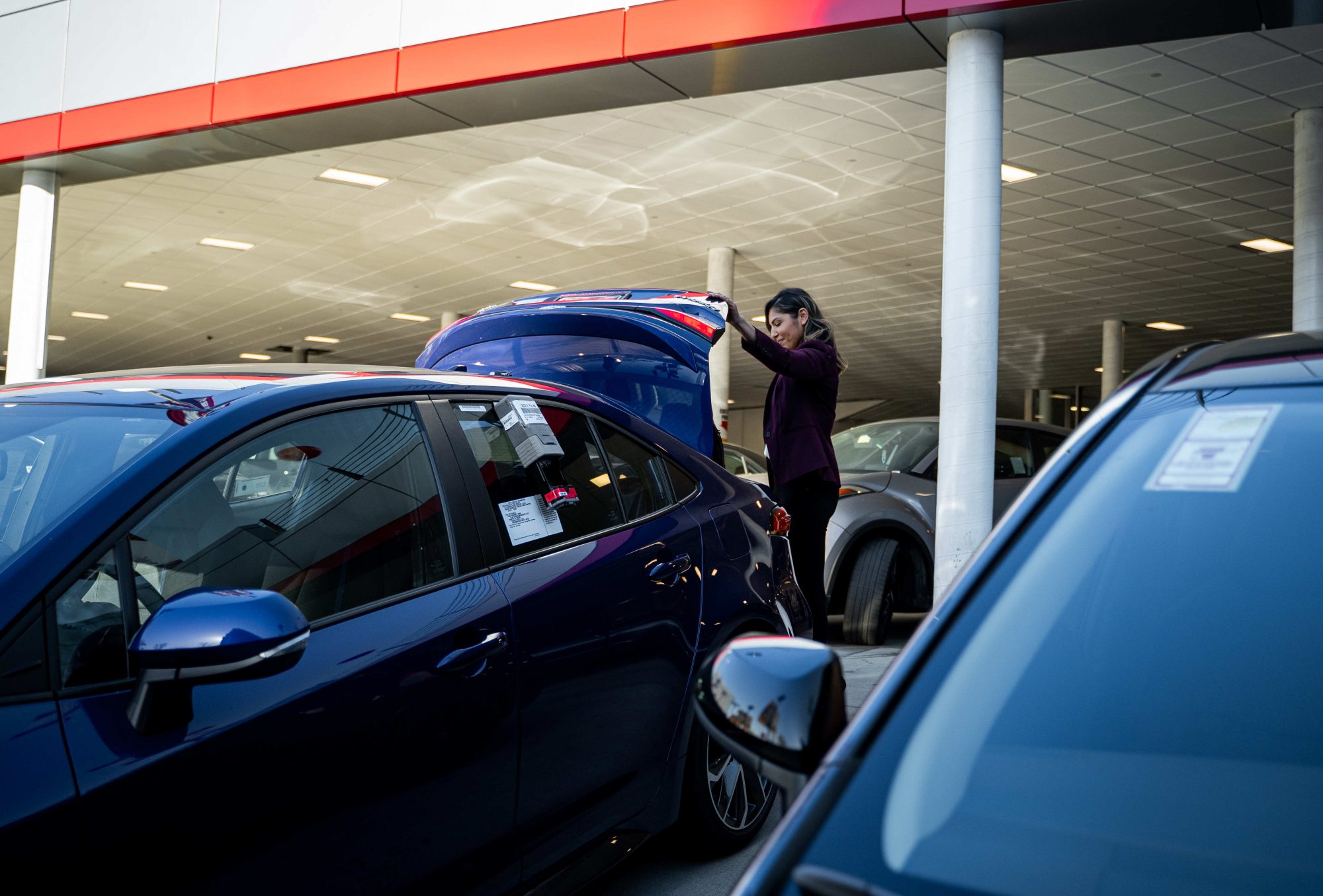
Explore the benefits of buying from a used car dealership, where a wide selection of models, price ranges, and features meet diverse buyer needs under one roof.
·Broad Selection
Buying from a used car dealership presents a significant advantage in the selection available. Unlike private sellers, dealerships house multiple brands and models under one roof. This diversity allows buyers to compare vehicles side-by-side, from sedans and SUVs to trucks and convertibles.
·Range of Prices
Another benefit of buying from a reputable dealership is the range of price options. Whether you’re looking for an economical compact car or a luxury vehicle at a reduced price, dealerships can offer various choices to fit different budgets.
This flexibility makes it easier for buyers to find a car that doesn’t just meet their needs but also aligns with their financial constraints.
·Model Years and Features
Dealerships often stock cars from various model years, providing an opportunity to select features that may not be available in the latest models. This includes everything from basic models to higher-end variants with advanced technology and comfort features.
Shopping at a reputable dealership ensures that you have access to a broad spectrum of choices, making it more likely that you’ll find the perfect car for your lifestyle.
·Quality Assurance
When you consider buying from a used car dealership, especially a reputable one, you benefit from a structured process to ensure each vehicle’s quality.
These dealerships rigorously inspect and refurbish cars to meet specific standards, often including them in Certified Pre-Owned programs. This approach not only enhances the reliability of your purchase but also provides added peace of mind.
Opting for a car from such a dealership ensures you get a vehicle that has been thoroughly checked and ready for the road.
·Consumer Protections
Customers benefit from significant protections when buying from a used car dealership, particularly a reputable one. These dealerships adhere to strict regulations that ensure all transactions are transparent and fair.
Customers receive warranties and dependable return policies, safeguarding their purchases against unforeseen issues.
Furthermore, buying from a reputable dealership often includes options for service contracts, adding an extra layer of security and peace of mind for buyers. This legal protection helps consumers decide to purchase from a dealership, which is a smart choice for consumers.
·Financing Options at Used Car Dealerships
Financing a car through a used car dealership offers several advantages, including flexible payment plans and the opportunity to trade in your existing vehicle. This option simplifies the buying process and can make it more accessible, even for those with varied credit histories.
·Flexible Payment Plans
When buying from a reputable dealership, you can access flexible payment options not typically available through private sellers. Dealerships often work with various lenders to provide loans accommodating different credit histories and budgets.
This makes finding a payment plan that fits your financial situation easier without the stress of securing financing independently.
·Dealership Financing
One significant benefit of financing through a dealership is the convenience of completing your car purchase and loan paperwork in one place.
Dealerships frequently offer competitive rates and may even have promotions such as lower interest rates or down-payment waivers, which can be more advantageous than bank loans.
·Trade-In Opportunities
Buying from a used car dealership also allows you to trade in your current vehicle. This option can reduce the overall amount you need to finance and simplify switching cars.
Dealerships can assess your old vehicle and apply its value directly toward your next purchase, all within the same transaction.
·Reliability and Transparency
When buying from a used car dealership, you can access reliable vehicles that have undergone thorough inspections. Dealerships ensure each car meets specific quality standards before sale, offering transparency to buyers.
You can review detailed vehicle history reports, providing insights into past ownership, accidents, and maintenance records. Opting for a reputable dealership can make buying more straightforward and trustworthy, giving you peace of mind.
·After-Sales Support
Buying from a reputable used car dealership ensures reliable after-sales services. These dealers often provide ongoing maintenance and repair solutions, helping to keep your car in optimal condition.
Additionally, if issues arise with your vehicle, a reputable dealer will likely offer help to resolve them efficiently.
This support can be invaluable, making buying from a dealership an intelligent choice for those looking for security and convenience after their purchase.
·Time-Saving
Buying from a reputable used car dealership saves time. Instead of meeting multiple private sellers, you can find many cars in one place. Dealerships simplify the process by handling all the paperwork and registration for you.
This means less hassle and quicker access to your new vehicle. Buying from a used car dealership streamlines your purchase, making it a straightforward and efficient experience.
·Market Knowledge
When buying from a used car dealership, you gain from their extensive market knowledge. Dealerships understand pricing trends and which cars hold their value, ensuring you make a wise investment. This expertise helps you choose a vehicle that fits your needs and budget.
Opting for a reputable dealership adds a layer of confidence as they guide you through the selection process with reliable information, making your car-buying experience straightforward and reassuring.
·Long-Term Relationships
When you buy from a reputable used car dealership, you’re not just making a one-time purchase but starting a relationship. This connection can benefit future car trades, purchases, or services.
Dealerships value returning customers and often offer loyalty rewards and ongoing support. Buying from a trusted dealership means you can enjoy consistent, reliable service every time you visit.
Why Choose Premier Auto Works Inc?
In conclusion, choosing a used car dealership offers significant advantages, including a wide selection of cars, quality assurance, and exceptional after-sales support.
Premier Auto Works Inc. stands out by providing reliable financing options, thorough vehicle history reports, and expert market knowledge. We aim to build lasting customer relationships, offering continuous support and services tailored to your automotive needs.
Visit Premier Auto Works Inc. today to lehow we can help you find the perfect car that fits your budget and preferences. For more information or to schedule a visit, contact us through our website or call us directly.
Auto Advice: How to Find a Good Used Car Dealership You Can Trust
Navigating the world of used car dealerships can feel like traversing a minefield, with concerns about dishonest practices and hidden pitfalls. However, with the proper knowledge and approach, buyers can confidently find a reputable dealership they can trust.
This blog post aims to empower buyers to identify reliable dealerships and make informed decisions that lead to a positive car-buying experience.

Signs of a Trustworthy Dealership
1. Positive Online Reputation
Checking online reviews on platforms like Google, Yelp, and the dealership’s website can provide valuable insights into customer satisfaction. Look for consistent patterns of positive feedback and pay attention to how the dealership responds to negative reviews.
2. Transparency
Reputable dealerships are transparent about pricing, listing vehicle prices and any associated fees upfront. They also provide comprehensive vehicle history reports, such as Carfax or AutoCheck, to give buyers peace of mind about a car’s background.
3. Knowledgeable Sales Staff
A trustworthy dealership employs sales teams knowledgeable about their inventory and can answer detailed questions without resorting to pushy sales tactics. Look for sales staff who genuinely care about helping buyers find the right car for their needs.
4. Well-Maintained Inventory
The condition of a dealership’s lot and the quality of its inventory speak volumes about its commitment to customer satisfaction. A clean lot and well-maintained cars indicate attention to detail and a focus on providing reliable vehicles.
5. Focus on Customer Service
a reputable dealership goes above and beyond to provide exceptional customer service even after the sale is complete. This includes offering post-purchase support such as assistance with
vehicle maintenance, answering any questions or concerns that may arise, and fostering a positive ongoing relationship with the buyer.
By prioritizing customer satisfaction throughout the entire ownership experience, reputable dealerships demonstrate their commitment to providing a high-quality and enjoyable car-buying journey from start to finish.
Red Flags to Watch Out For
1. Hidden Fees
Buyers should also be cautious of pressure tactics some dealerships use to push add-on products or services during negotiation. These tactics may include upselling extended warranties, service packages, or unnecessary accessories, often at inflated prices.
While these add-ons may seem enticing, buyers should carefully evaluate whether they truly need or want these extras and be prepared to stand firm in declining them if they do not align with their preferences or budget.
Transparency and honesty in pricing and sales practices are paramount for fostering trust and ensuring a positive buying experience for buyers at any dealership.
2. Excessive Pressure Tactics
Reputable dealerships understand that buying a car is a significant investment and a decision that should not be rushed. Therefore, they prioritize giving buyers the time and information they need to make well-informed decisions.
Sales representatives at trustworthy dealerships take a consultative approach, guiding buyers through the process without pressure or coercion. They encourage buyers to ask questions, take their time during test drives, and carefully consider their options before deciding.
By fostering an environment of transparency, patience, and respect, reputable dealerships empower buyers to make confident choices that align with their needs and preferences.
3. Vague Answers
Buyers should also be wary of dealerships that withhold or provide vague information about a car’s history or condition. Clear communication and transparency regarding a vehicle’s maintenance records, accident history, and overall condition are essential to a trustworthy dealership.
Reputable dealerships prioritize honesty and integrity in their dealings with customers, readily providing detailed information to address buyers’ concerns or questions.
By establishing open and honest communication channels, dealerships demonstrate their commitment to building trust and fostering positive relationships with buyers, ultimately ensuring a transparent and satisfactory purchasing experience for all parties involved.
4. Gut Feeling
Buyers should also seek a second opinion or consult with trusted friends or family before making a final decision. An outside perspective can sometimes provide valuable insights or help clarify doubts or concerns.
By discussing their experiences and impressions, buyers can gain additional perspective and confidence in their decision-making process. Ultimately, trusting your instincts and seeking guidance from those you trust can help you make a well-informed and confident decision when choosing a reputable used car dealership.
Additional Tips for Savvy Buyers
Mechanic’s Inspection
Before committing to a purchase, consider investing in an independent pre-purchase inspection by a trusted mechanic. This extra step can uncover hidden issues and provide added peace of mind.
Bring a Friend
Having a trusted friend or family member accompany you to the dealership can provide a second opinion and offer support during the buying process.
Take Your Time
Don’t rush into a decision. It’s better to take your time, thoroughly research your options, and walk away from a deal that doesn’t feel right than to regret a hastily made purchase later.
Compare Offers
Explore multiple dealerships and compare offers before making a decision. It will give you a sense of market prices and ensure you get the best deal possible.
Conclusion
Finding a reputable used car dealership ensures a positive buying experience. By paying attention to signs of trustworthiness, being wary of red flags, and following additional tips for savvy buyers, you can confidently navigate the used car market and find a trustworthy dealership.
Thorough research and a cautious approach will lead you to a reliable dealer who prioritizes your satisfaction and delivers a quality vehicle. And if you’re in the market for a trusted dealership, consider Premier Auto Works Inc., where we embody the positive qualities outlined in this article. You can contact us for affordable used cars, trucks, and SUVs in Alsip, IL. We offer the best rates on used cars of different models.
Negotiating the Optimal Price at a Pre-Owned Car Dealership
Negotiating the price of a vehicle at a used car dealership can be a daunting task, but with the right strategies and techniques, you can clinch a great deal and drive away with confidence. Whether you’re a seasoned negotiator or a first-time buyer, knowing how to navigate the negotiation process is essential for getting the best value for your money.
In this comprehensive guide, we’ll explore 13 proven tips and tactics to help you negotiate the best price at a used car dealership, empowering you to make a savvy purchasing decision and save money in the process.

1. Do Your Research
Before setting foot in a used car dealership, arm yourself with knowledge about the make, model, and year of the car you’re interested in purchasing. Research market prices, average selling prices, and common issues associated with the vehicle to gain leverage during negotiations. Platforms such as Kelley Blue Book, Edmunds, and Autotrader offer valuable insights into pricing trends and market values.
2. Set a Realistic Budget
Determine your budget and stick to it. Consider factors such as your monthly income, expenses, and savings to establish a realistic budget for your used car purchase. Setting a firm budget will help you avoid overspending and give you a clear idea of how much you can afford to negotiate on the price.
3. Get Pre-Approved for Financing
Before negotiating the price of a used car, secure pre-approval for financing from a bank, credit union, or online lender. Having financing in place before visiting the dealership puts you in a stronger position to negotiate, as you’ll have a clear understanding of your budget and purchasing power.
4. Timing Is Key
Timing can play a significant role in negotiating the best price at a used car dealership. Visit the dealership towards the end of the month when salespeople are more motivated to meet their sales quotas. In addition, consider purchasing a vehicle towards the end of the year when car dealerships may be eager to sell off their existing stock in order to accommodate new models.
5. Inspect the Vehicle Thoroughly
Before discussing the price, thoroughly inspect the used car you’re interested in purchasing. Carefully inspect it for signs of mechanical issues, wear and tear, or any type of damage that could affect its value. Go for a test drive to assess the performance and handling of the car. A comprehensive inspection will give you valuable information to use during negotiations.
6. Highlight Any Flaws or Issues
During negotiations, don’t hesitate to point out any flaws or issues you’ve identified during the inspection process. Whether it’s a scratch on the paint, a worn-out interior, or a mechanical problem, highlighting these issues can give you leverage to negotiate a lower price or request repairs or maintenance before finalizing the deal.
7. Be Prepared to Walk Away
One effective strategy in negotiations is to be ready to leave if the car dealership is not making an effort to meet your desired price. You must never feel obligated to accept a deal that doesn’t fit within your budget or meet your expectations. Stay confident in your stance, and be prepared to consider alternative options if needed.
8. Use Competing Offers to Your Advantage
If you’ve received competing offers from other dealerships or private sellers, use them to your advantage during negotiations. Let the salesperson know that you’re considering other options and that you’re willing to go elsewhere if they can’t match or beat the price. This can help incentivize the dealership to offer you a better deal.
9. Negotiate the Out-the-Door Price
When negotiating the price of a used car, focus on the out-the-door price rather than the sticker price. The out-the-door price includes all taxes, fees, and additional charges associated with the purchase, giving you a more accurate picture of the total cost. Negotiating the out-the-door price ensures that there are no surprises when it comes time to finalize the deal.
10. Be Polite and Professional
Maintaining a polite and professional demeanor during negotiations can go a long way toward achieving a favorable outcome. Avoid being confrontational or aggressive, as this can create tension and hinder productive communication. Instead, approach negotiations with a respectful and cooperative attitude to foster a positive rapport with the salesperson.
11. Don’t Rush the Process
Negotiating the price of a used car is a process that requires time and patience. Don’t rush through negotiations or feel pressured to decide on the spot. Take your time to carefully consider each offer and counteroffer, and don’t be afraid to ask questions or seek clarification on any terms or conditions.
12. Consider Additional Incentives or Discounts
In addition to negotiating the price of the car itself, consider asking for additional incentives or discounts to sweeten the deal. This could include free oil changes, extended warranties, or other perks that add value to the purchase. Dealerships may be willing to offer these incentives to close the deal and earn your business.
13. Get Everything in Writing
Once you’ve negotiated a price that meets your budget and expectations, make sure to get everything in writing before finalizing the deal. This includes the agreed-upon price, any additional terms or conditions, and a clear outline of what is included in the purchase. Having a written agreement can help prevent misunderstandings or disputes later on.
Wrapping Up
Negotiating the best price at a used car dealership requires preparation, patience, and effective communication. By following these 13 tips and tactics, you can navigate the negotiation process with confidence and secure a great deal on your next used car purchase.
Whether you’re a seasoned negotiator or a first-time buyer, mastering the art of negotiation will empower you to make a savvy purchasing decision and save money in the process. So, put these strategies into action and drive away with the car of your dreams at a price you can afford. For more general used car buying tips, visit Premier Auto Works Inc. today!
Anticipating Your Experience: A Guide to Shopping at a Pre-Owned Car Dealership
Used car dealerships have a variety of vehicles you can choose from, depending on where you go. Many utilize the Buy Here Pay Here a model for convenience, allowing buyers to opt for a seamless buying process that caters to low credit scores and offers low interest rates.
Let’s explore what you can expect when shopping at a used car dealership.

Initial Visit
· Car Selection
As you step onto the lot of a used car dealership, you’ll be met with a vast selection of vehicles spanning various makes, models, and years. Whether you’re in the market for a trusty sedan, a spacious SUV, or even a coupe, there’s something to cater to every preference and lifestyle. From economy cars to luxury vehicles, the dealership’s inventory offers a diverse range of options to explore. Take your time to browse through the selection and narrow down your choices based on your needs, budget, and preferences.
· Exterior Condition
One of the first things you’ll notice as you survey the dealership’s offerings is the exterior condition of the vehicles. Some cars may gleam with a flawless shine, while others may show signs of wear and tear. It’s essential to closely examine each vehicle for any visible damage, such as scratches, dents, or rust spots. These exterior imperfections not only affect the aesthetics but also provide insights into the vehicle’s overall condition and maintenance history. By paying attention to the exterior condition, you can better assess the quality and value of the cars you’re interested in.
· Staff Interaction
As you explore the lot and inspect different vehicles, you’ll likely interact with the used car dealership’s staff members. Expect to be greeted warmly upon arrival, with knowledgeable staff members ready to assist you throughout your visit. Whether you have questions about specific cars, need guidance on available features, or require assistance with anything else, the staff is there to help. Don’t hesitate to engage with them and take advantage of their expertise to make informed decisions about your potential purchase.
Evaluation
· Vehicle History
Most reputable used car dealerships provide access to comprehensive vehicle history reports, offering insights into the car’s past. These reports typically detail crucial information such as previous ownership records, accident history, service and maintenance records, and any outstanding recalls or issues. By reviewing the vehicle’s history, you can gain a better understanding of its overall condition and whether it meets your expectations and requirements. Additionally, understanding the car’s history can help you anticipate any potential future maintenance or repair needs, enabling you to make a more informed purchasing decision.
· Test Drive
One of the most critical aspects of evaluating a used car is taking it for a test drive. This hands-on experience allows you to assess the vehicle’s performance, handling, and overall condition firsthand. During the test drive, pay attention to factors such as acceleration, braking responsiveness, steering feel, and overall comfort. Take the car through a variety of driving conditions, including city streets, highways, and potentially rough terrain, to get a comprehensive sense of its capabilities.
Additionally, listen for any unusual sounds or vibrations that may indicate underlying mechanical issues. The test drive provides an invaluable opportunity to determine whether the car meets your driving preferences and expectations, helping you make a confident decision.
· Negotiation
Negotiation is a standard part of the car-buying process and allows you to potentially secure a better deal on the vehicle’s price or financing terms. Before entering into negotiations, research the market value of similar vehicles and come prepared with a clear understanding of your budget and desired terms. Be prepared to communicate openly and assertively with the dealership’s sales team, expressing your preferences and negotiating for a fair and reasonable deal. Keep in mind that negotiation is a collaborative process, and reaching a mutually beneficial agreement may require some flexibility and compromise from both parties. By negotiating effectively, you can ensure that you get the best possible value for your purchase and walk away satisfied with your decision.
Closing
· Paperwork and Documentation
As you near the final stages of purchasing a used car from a dealership, you’ll need to complete various paperwork and documentation. This typically includes filling out a purchase agreement, which outlines the terms of the sale, including the agreed-upon price, any additional fees, and any included warranties or guarantees. You’ll also need to complete paperwork for the transfer of the vehicle’s title, officially transferring ownership from the dealership to you. Depending on the dealership and the specific transaction, you may also be offered additional documentation, such as extended warranties or service contracts, which you can review and decide whether to purchase. It’s essential to carefully review all paperwork before signing to ensure that you understand and fully agree to the terms of the sale.
· Payment and Financing
Once the necessary paperwork has been completed and signed, it’s time to arrange payment for the vehicle. You’ll need to decide how you plan to pay for the car, whether through cash, financing, or another method. If you’re planning to finance the purchase, the dealership’s finance department can assist you in securing a loan from a reputable lender. They’ll help you navigate the financing process, including completing a credit application, reviewing loan terms and interest rates, and finalizing the loan agreement.
Alternatively, if you’re paying with cash or a cashier’s check, you’ll need to provide payment to the dealership according to the agreed-upon terms. Once payment has been arranged and processed, you’ll receive documentation confirming the completion of the transaction.
· Final Inspection and Delivery
The dealership will typically provide an overview of the car’s features and operation, highlighting key functions and answering any remaining questions you may have. Take this opportunity to inspect the vehicle one last time, checking for any issues or discrepancies and confirming that everything meets your expectations.
Once you’re satisfied with the inspection and ready to take possession of the car, the dealership will facilitate the delivery process. This may involve completing any remaining paperwork, issuing temporary registration documents if necessary, and providing you with the keys to your new vehicle. With the transaction complete and the keys in hand, you can drive away from the dealership knowing that you’ve successfully purchased a quality used car.
Final Verdict
Shopping at a used car dealership offers a diverse selection, a thorough evaluation process, and a seamless closing experience. From exploring various vehicles to negotiating the best deal and finally driving away with confidence, the journey is marked by informed decisions and attentive assistance. With careful consideration at every step, you can navigate the dealership experience with ease and find the perfect car to suit your needs and preferences.
Premier Auto Works Inc. is a reputed used car dealership promising a variety of vehicles to choose from as well as a seamless buying process. Its dedication to quality ensures it provides customers with exactly what they’re looking for.