Finding the Best Cash Car Deals: How to Score Affordable Vehicles Without Financing
In today’s automotive market, the opportunity to secure a vehicle without the burden of financing is not only appealing but can also be financially prudent. Paying cash for a car can lead to significant savings on interest rates and monthly payments, allowing buyers to enjoy greater flexibility. This article delves into effective strategies for negotiating the best price, tips for shopping for new and used vehicles, determining market value, and avoiding common pitfalls when purchasing a car with cash.

How Can I Negotiate the Best Price When I Buy a Car with Cash?
What Strategies Can Help Negotiate Car Price Effectively?
Negotiating the best car price requires preparation and an understanding of the automotive market. One of the primary strategies is to research the average price of the car you are interested in; this could be a new vehicle or a used car. Familiarizing yourself with the fair market value, as outlined in resources like Kelley Blue Book, can provide leverage during discussions. When you visit a dealership, be ready to articulate your findings and stand firm on what you believe is a fair price. Additionally, timing can play a crucial role in negotiations.
Visiting dealerships at the end of the month or during holiday sales can lead to better deals, as salespersons are often eager to meet quotas.
How to Use Cash to Leverage Your Negotiation?
When you are prepared to pay cash for a car, you possess a distinct advantage in negotiations. Cash buyers are appealing to sellers because they eliminate the uncertainties associated with financing; thus, they can negotiate a better price. Make sure to clearly communicate your intent to pay cash during the initial stages of negotiation. This will signal to the dealer that you are a serious buyer, potentially leading them to offer you a more competitive sticker price. Furthermore, being ready to walk away can also provide leverage; if the dealer realizes they might lose a cash sale, they may be more inclined to lower the price to secure your business.
What to Expect from a Car Salesperson During Negotiations?
Salespersons are trained to overcome objections and may use various strategies to convince you to purchase a vehicle at the sticker price. Expect them to present financing options, even if you plan to buy a car with cash. They may attempt to sweeten the deal with add-ons or promotions that could distract you from the actual price of the vehicle. It’s essential to remain focused on the final price and not get sidetracked by attractive financing terms or extras. Stay assertive and informed, and always ask for a breakdown of any fees included in the sale price.
What Should I Look for When Shopping for a New Car to Pay Cash?
How to Identify a Good Deal at a Dealership?
When shopping for a new car, identifying a good deal involves a thorough examination of various factors. Start by researching the invoice price of the car you like, which is the amount the dealer pays the manufacturer. This gives you a baseline for what the dealership might be willing to accept. Look for any current promotions or dealer incentives that could lower the overall cost. Compare prices across different dealerships, as competition can help drive down the sale price. Keep in mind that being flexible with your choice of vehicle can also open up more opportunities for finding the best deal.
What are the Key Factors Affecting Car Price?
The price of a car is influenced by multiple factors, including make, model, age, condition, and market demand. For new vehicles, the suggested retail price is often a starting point, but dealerships may have room to negotiate based on inventory levels. For used cars, factors like mileage, previous ownership, and overall condition will affect the trade-in value. It’s important to consider these elements when determining what you are willing to pay for the vehicle. Paying attention to seasonality can also impact pricing; for instance, demand for certain cars may rise during specific times of the year, thus affecting the final price you can negotiate.
How to Evaluate the Trade-in Value of My Current Vehicle?
If you are contemplating buying a new car with cash, evaluating the trade-in value of your current vehicle is critical. Several online tools can help you ascertain how much your old car is worth. Websites like Kelley Blue Book provide estimates based on your vehicle’s make, model, year, condition, and mileage. Understanding this value can give you a stronger position when negotiating your new vehicle’s price, as you can apply the trade-in value towards the purchase. Always remember to gather quotes from various dealerships to ensure you are getting the best value for your trade-in, as different dealers might offer varying amounts.
Should I Consider Buying a Used Car Instead of a New Car?
What Are the Benefits of Buying a Used Car with Cash?
Buying a used car can often present significant financial advantages, especially when you pay cash. One of the primary benefits is the depreciation factor; new cars lose value rapidly within the first few years, whereas used cars have already undergone this initial depreciation. By purchasing a used vehicle, you may secure a better deal, allowing you to buy more cars for your money. Additionally, used cars typically come with lower insurance premiums, which can further enhance your savings. When you pay cash for a used car, you also avoid the pitfalls of interest rates associated with auto loans, enabling you to save more in the long run.
How to Find Reliable Used Cars at Dealerships?
Finding a reliable used car at a dealership requires diligent research and inspection. Start by looking for certified pre-owned vehicles, which often come with warranties and have undergone rigorous inspections. Investigate the dealership’s reputation through online reviews and ratings. When you visit, inquire about the vehicle’s history report to ensure it has not been involved in any significant accidents or has title issues. Always take the time to inspect the car thoroughly and consider bringing along a trusted mechanic to evaluate the vehicle’s condition. This will help ensure that you are making a sound investment when buying a used car.
What to Check Before Purchasing a Used Vehicle?
Before finalizing the purchase of a used vehicle, a comprehensive checklist should be followed. Verify the vehicle identification number (VIN) to ensure it matches the title and history report. Check the car’s condition, looking for signs of wear and tear, rust, or mechanical issues. Pay attention to the mileage and compare it to the average for that make and model, as excessive mileage could indicate future maintenance needs. Finally, ensure that all necessary documentation is in order, including the title, service records, and any warranties. By conducting a thorough evaluation, you can mitigate the risk associated with purchasing a used vehicle.
How Can I Determine the Market Value of the Car I Want?
What Resources Can Help Me Find the Market Value?
Determining the market value of the car you want is essential for effective negotiation. Numerous resources can assist in this process, including online valuation tools, dealership websites, and automotive industry publications. Websites like Kelley Blue Book and Edmunds provide comprehensive data on current market trends, allowing you to understand what similar vehicles are selling for in your area. Additionally, visiting classified ads and online marketplaces can give you insights into competitive pricing. Keeping informed about these resources will empower you to negotiate effectively and ensure you are paying a fair price.
How to Use Kelley Blue Book to Evaluate Car Price?
Kelley Blue Book is an invaluable tool for evaluating car prices, both for new and used vehicles. To utilize this resource effectively, input the specific details of the car you are interested in, such as the make, model, year, and condition. The site will provide you with a range of prices that reflect the fair market value, allowing you to compare against the dealer’s asking price. By referencing Kelley Blue Book during negotiations, you can substantiate your position and potentially drive down the cost of the vehicle. This tool is especially useful when you are not familiar with the market value of a particular car.
Why is Understanding Market Value Important When Negotiating?
Understanding market value is crucial during negotiations, as it equips you with the knowledge needed to advocate for a fair price. When you enter discussions with a clear understanding of what others are paying for similar cars, you are less likely to be swayed by inflated pricing or high-pressure sales tactics. This knowledge allows you to counter any unreasonable offers from the dealer and strengthens your position as a cash buyer. Additionally, being informed about market trends can help you recognize when a deal is truly competitive, enabling you to make a purchase that aligns with your financial goals.
What Are Common Mistakes to Avoid When Paying Cash for a Car?
How to Avoid Overpaying for a New Vehicle?
When paying cash for a new vehicle, it is vital to avoid overpaying by conducting thorough research beforehand. Understand the average price of the car you want and be wary of the dealer’s markup. One common mistake is failing to account for additional fees that may not be included in the sticker price. Always ask for a detailed breakdown of all costs associated with the purchase to avoid any surprises. Furthermore, consider shopping around at multiple dealerships to compare offers. This not only helps you gauge prices but also allows you to leverage competing offers in your negotiations.
What Pitfalls Should I Watch Out for at the Dealership?
Dealerships can sometimes employ tactics that may lead buyers astray, especially when it comes to financing options. Even if you are paying cash, be cautious of upselling and pressure to purchase add-ons that do not add real value. Salespeople may attempt to convince you to consider financing plans, which can lead to confusion and cloud your decision-making. Always remain focused on your original intent: to pay cash for the car you want. Additionally, be mindful of the extended warranties or service contracts that may be presented to you; evaluate them carefully to determine if they are worth the additional expense.
How to Ensure You Get the Best Deal Without Financing?
To ensure you secure the best deal without financing, it is essential to approach the buying process with a clear plan. Start by setting a budget that considers not only the price of the vehicle but also ongoing costs such as car insurance and maintenance. Leverage your cash payment to negotiate effectively, as many dealerships will prioritize cash buyers due to the quick transaction. Be prepared to walk away if the deal does not meet your expectations; this assertiveness can often lead to better offers. Finally, take your time during the buying process; rushing can lead to missed opportunities for better deals or pricing adjustments.
Conclusion
Finding a great cash car deal requires preparation and a strategic approach. By researching market prices, using cash as a negotiation tool, and understanding potential pitfalls, you can navigate the buying process with confidence. Taking the time to compare options and assess vehicle quality ensures that your purchase aligns with both your budget and long-term needs. For those looking for a reliable selection of vehicles, Premier Auto Works Inc offers a range of affordable options. Visit our website to explore our inventory and find a car that suits your needs.
Certified Pre-Owned vs. Standard Used Cars: What to Know Before Buying
In the competitive automotive market, consumers often decide whether to purchase a used car or a certified pre-owned vehicle (CPO). Each option presents its advantages and challenges, and understanding the distinctions between these categories is essential for making an informed choice. This article delves into the differences, benefits, and considerations in deciding between a traditional used vehicle and a CPO car, ultimately guiding potential buyers toward the perfect car.

What is the Difference Between a Used Car and a Certified Pre-Owned Vehicle?
A certified pre-owned vehicle is a used car that has undergone a comprehensive inspection and meets specific criteria set by an automaker or dealership. These vehicles are typically newer, having been driven for a limited number of miles, and often feature fewer previous owners than standard used cars. Certified pre-owned vehicles come with warranties, providing buyers with peace of mind that can be invaluable in the usually unpredictable world of used automobiles. The CPO program is designed to enhance the quality of pre-owned vehicles and foster trust between buyers and dealerships.
What Makes a Car Certified Pre-Owned?
To qualify as a certified pre-owned vehicle, a car must pass a thorough inspection process, which includes checking vital components such as the engine, transmission, brakes, and other mechanical systems. Many CPO programs also require that the car is within a certain mileage limit and is no older than a specified number of years. Furthermore, certified vehicles usually come with a manufacturer-backed warranty that extends beyond the original new car warranty, ensuring that buyers will not face unexpected repair costs shortly after their purchase.
Key Differences Between Used Cars and CPO Vehicles
The primary difference between a regular used car and a certified pre-owned vehicle lies in the level of assurance provided to the buyer. While standard used cars may have varying degrees of wear and tear, certified pre-owned cars offer a higher level of quality control through their extensive inspection and certification process. Additionally, CPO cars typically have warranty coverage that is not commonly offered with non-certified used cars. This distinction is particularly important for buyers concerned about reliability and potential repair costs. Overall, the difference in the buying experience reflects a varying degree of confidence in the vehicle’s condition.
What Are the Benefits of Buying a Certified Pre-Owned Car?
One of the most significant advantages of buying a certified pre-owned car is the warranty coverage that accompanies these vehicles. Unlike standard used cars, which may be sold “as-is,” CPO vehicles typically come with a manufacturer-backed warranty that covers repairs for a specified period or mileage. This warranty protects the buyer from unexpected repair costs and enhances the vehicle’s resale value. Buyers can rest assured that they are making a sound investment, as many CPO programs offer extensive coverage that rivals that of new cars.
Peace of Mind with a CPO Program
When buying a certified pre-owned vehicle, the buyer is afforded peace of mind that is often absent in the standard used car market. The rigorous inspection process ensures that the vehicle is in good condition, and the warranty coverage provides additional security against unforeseen issues. This assurance is particularly crucial for first-time car buyers or those unfamiliar with the intricacies of the car-buying process. Knowing that a CPO vehicle has met stringent standards allows buyers to feel more confident in their choice, reducing the anxiety often associated with purchasing used cars.
Additional Perks of Buying a CPO Car
In addition to warranty coverage and peace of mind, many CPO programs offer additional perks that enhance the buying experience. These may include complimentary roadside assistance, vehicle maintenance packages, and special financing options. For instance, some automakers provide incentives such as lower interest rates for buyers opting for a CPO vehicle, making the purchase more financially viable. These additional benefits can make buying a certified pre-owned car a smart decision in terms of reliability and economic sound.
Are Used Cars a Better Value Compared to Certified Pre-Owned Vehicles?
Cost Considerations: Buying a Used vs. CPO Car
While certified pre-owned vehicles often come with a higher price tag than standard used cars, the value proposition must be carefully weighed. Buyers looking for the lowest upfront cost may find traditional used vehicles more appealing. However, the potential costs associated with repairs and maintenance on older, non-certified used cars can quickly diminish any initial savings. When considering the total cost of ownership, including warranty coverage and potential repairs, many buyers find that investing in a CPO car is ultimately a wiser choice.
Depreciation Rates of Used Vehicles
Depreciation is another critical factor when comparing used and certified pre-owned vehicles. New vehicles typically experience the steepest depreciation within the first few years of ownership, with some estimates suggesting that a new car can lose up to 20% of its value as soon as it is driven off the lot. In contrast, having already experienced this initial depreciation, certified pre-owned cars may offer a more stable investment. Understanding the depreciation rates of various models can help potential buyers assess the long-term value of their investment.
Financing Options for Used Cars vs. CPO Vehicles
Regarding financing options, certified pre-owned vehicles often present more favorable terms than standard used cars. Many dealerships and automakers provide attractive financing packages for CPO vehicles, including lower interest rates and extended loan terms. This is particularly beneficial for buyers who want to minimize their monthly payments while still securing a reliable vehicle. In contrast, financing options for used cars may be limited due to their age and mileage, which can affect the buyer’s overall experience and financial strategy.
What Should You Inspect When Buying a Used Car?
Essential Checks Before Purchasing a Non-Certified Used Car
When buying a non-certified used car, it is crucial to conduct a thorough inspection to ensure that the vehicle is in good condition. Inspecting key areas include the engine, transmission, brakes, and suspension. Additionally, buyers should examine the exterior and interior for signs of wear and tear, rust, or previous accidents. It is also advisable to check the vehicle’s maintenance records, as this can provide insight into how well the car has been cared for. Performing these essential checks can help buyers make an informed decision and avoid potential pitfalls.
When to Consult a Mechanic Before Buying
Consulting a mechanic before finalizing the purchase of a used car can be an invaluable step in the car-buying process. A professional inspection can uncover hidden issues that may not be immediately apparent to the average buyer. Mechanics can provide insights into the vehicle’s overall health, potential repair needs, and longevity. This consultation is especially recommended for buyers considering a non-certified used car, as it adds an extra layer of assurance that the investment is sound.
Importance of Vehicle History Reports
Vehicle history reports are essential tools for anyone considering buying a used car. These reports provide critical information about the car’s past, including any accidents, title issues, and service records. By reviewing a vehicle history report, buyers can gain insights into the reliability and condition of the car they are considering. This information is crucial in assessing whether a non-certified used car is a wise investment or if it is better to opt for a certified pre-owned vehicle with a known history.
How Do CPO Programs Offer Added Assurance to Buyers?
Manufacturer-Backed Warranties on CPO Vehicles
One of the most compelling aspects of certified pre-owned programs is the manufacturer-backed warranty that accompanies these vehicles. This warranty often extends well beyond the original new car warranty, providing buyers with significant protection against potential repair
costs. In essence, this warranty serves as a testament to the quality of the vehicle, ensuring that buyers can confidently drive knowing that they are covered in case of unexpected issues.
Roadside Assistance and Other Benefits
Many CPO programs offer additional benefits, such as roadside assistance, which can be a lifesaver in the event of a breakdown or emergency. This service provides peace of mind to buyers, knowing that help is just a phone call away. Additionally, some programs offer complimentary maintenance services, enhancing the overall value of purchasing a certified pre-owned vehicle. These added perks can make a significant difference in the overall ownership experience, providing assurance and convenience to the buyer.
Programs Offered by Different Automakers
Different automakers have varying CPO programs that cater to the diverse needs of their customers. Some manufacturers may offer more extensive warranties and additional benefits than others. Therefore, it is essential for buyers to research the specific CPO programs offered by different automakers to determine which one aligns best with their needs and preferences. Understanding the nuances of these programs can greatly influence the decision-making process, ultimately leading to a more satisfying automotive purchase experience.
Conclusion
When considering the decision between a used car and a certified pre-owned vehicle, it’s important to evaluate the long-term value, peace of mind, and reliability each option offers.
While CPO vehicles come with higher assurance and often feature added perks like manufacturer-backed warranties and roadside assistance, traditional used cars might appeal to those looking for a lower upfront cost, provided they are thoroughly inspected. However, whether you’re leaning towards a used car or a CPO, finding a trustworthy dealer is crucial. For those in search of high-quality used vehicles, Premier Auto Works Inc. is a fantastic choice. We offer a wide range of reliable pre-owned cars and provide excellent customer service to guide you through buying. Whether you’re looking for a certified pre-owned car or a well-maintained used vehicle, we at Premier Auto Works ensure that each car is thoroughly inspected, giving you the peace of mind you deserve when making such an important purchase.
Visit us today to explore our inventory and learn more about how we can help you find the perfect vehicle to suit your needs and budget
Cash vs. Financing: Why Cash Car Deals Are Ideal for Cheap Car Buyers
What if we told you that you could own your next car without the hassle of monthly bills or interest rates? A cash car deal could be your golden ticket to a stress-free, budget-friendly ride. Forget the paperwork, the waiting game, and the long-term commitments—buying a car with cash lets you drive away with confidence and control. In this article, we’ll explore why choosing cash over financing might be the smartest option for those looking to save money and drive away with peace of mind.

Understanding Cash Car Deals
Buying a car with cash means paying the full amount upfront without relying on loans or financing. This straightforward approach eliminates monthly payments, interest, and the need for lengthy credit checks. The process is simple and quick—once you pay, the car is yours.
Understanding Financing Options
Financing a car involves taking out a loan to cover the cost, with the intention of paying it off over time through monthly installments. Instead of paying the full price in one go, you make a down payment and then pay off the remaining balance, often with interest.
Financing makes buying a car more accessible for those who don’t have the full amount in cash. Moreover, it can be a good option for buyers who prefer to spread the cost over time. Just be sure to consider interest rates and your ability to keep up with payments.
The Downsides of Financing a Car
Though financing a car can simplify the purchase process, it also adds extra costs. One of the main downsides is paying interest, which increases the overall price of the car. The longer the loan, the more interest you’ll pay, making the car more expensive than if you bought it with cash.
Another risk is long-term debt. If you’re not careful, you might find yourself owing more than the car is worth, a situation known as negative equity. This can happen if the car depreciates faster than you’re paying down the loan.
Lastly, it can negatively impact your credit score. Late payments, missed payments, or applying for multiple loans can lower your score, making it harder to secure loans in the future. If you’re not able to manage the loan responsibly, the financial burden can build up, affecting both your credit and long-term financial stability.
Why Cash Car Deals Are Ideal for Cheap Car Buyers
Since financing has its drawbacks, let’s explore why cash car deals are ideal for cheap car buyers for several reasons.
One of the biggest advantages of cash car deals is the freedom from debt. You own the vehicle entirely, meaning you’re not tied to a long-term financial commitment or burdened by extra costs, like interest. This can be especially appealing for budget-conscious buyers who want to avoid ongoing payments and prefer a hassle-free car ownership experience. Moreover, since there are no interest fees, the total cost of the car remains exactly what was agreed upon, saving you money in the long run.
Another advantage of a cash car deal is better negotiating power. Sellers often prefer cash offers and may be willing to lower the price to seal the deal quickly.
Lastly, a cash car deal saves you from financial stress. Buying a car with cash means you’re not tied to a loan or future payments, reducing long-term financial stress and letting you enjoy your car without worries.
Overall, cash car deals provide a stress-free, affordable way to buy a vehicle without the added costs or commitments of financing.
Advantages of Buying a Cheap Car with Cash
Buying a cheap car with cash offers several advantages, such as:
- Staying within your budget
Paying upfront ensures you don’t overspend or stretch your finances. It helps you stick to a set.
- Fewer financial commitments
With no loan to pay off, you free up your finances, reducing long-term debt and monthly obligations. This gives you more flexibility to allocate money to other priorities.
- Faster buying process
Cash purchases are quicker since there’s no need for loan approval, credit checks, or waiting for financing to go through. You can complete the transaction and drive away in your new car faster.
- Simplified paperwork
Without the need for loan documentation, the paperwork is minimal. This makes the entire process more straightforward and hassle-free.
In short, buying a cheap car with cash gives you more control over your finances and makes the buying process easier and faster.
Tips for Finding Affordable Cars to Buy with Cash
When buying a car with cash, it’s important to know how to find the best deals while staying within your budget. Here are some practical tips to help you find an affordable, reliable vehicle without the need for financing.
- Reliable sources
Start by searching for used cars from reputable dealers or trusted private sellers. Look for dealerships with good reviews and those that specialize in pre-owned vehicles.
- Set a budget
Determine how much you can comfortably spend without stretching your finances. Research market prices for the models you’re interested in to ensure you’re getting a fair deal.
- Inspect the vehicle
Always inspect the car thoroughly to check for any potential issues. Look for signs of wear and tear, and take it for a test drive.
- Check the history
Don’t skip the vehicle history report. This will give you valuable information about past accidents, service records, and ownership history, helping you avoid cars with hidden problems.
By following these tips, you can find a reliable, affordable car that fits your cash budget.
Conclusion
Buying a car with cash is a smart, straightforward choice for those looking to avoid debt and financial stress. With the right approach, you can find a reliable vehicle that fits your budget and offers long-term peace of mind.
Say goodbye to loans and hello to freedom! Start exploring cash deals now at Premier Auto Works and experience the joy of driving debt-free!
Best Car Search Engines for Finding Quality Used Cars
Finding a great used car that fits your needs and your budget can seem impossible, but the internet has completely revamped the car-buying process. Today, you can browse thousands of listings, compare their prices, and evaluate different features, all from the comfort of your home. Using the best car search engines simplifies the process and increases your chances of landing a great deal.
This guide explores some of the top car search engines and how they can help you find your next reliable vehicle.

Why Use a Car Search Engine?
Car search engines aggregate listings from dealerships, private sellers, and other sources to provide a comprehensive market view. These platforms offer tools that make finding quality used cars easier, including filters for price range, location, mileage, and vehicle type.
A good car search engine allows you to:
● Compare multiple vehicles side-by-side.
● Access detailed descriptions, including photos and history reports.
● Save time by narrowing your options without driving to multiple dealerships.
Understanding which platforms work best can save you time and money when buying a used car.
Top Car Search Engines to Explore
1. Autotrader
Autotrader has long been a go-to platform for individuals searching for used cars. It offers an extensive inventory that spans dealerships and private sellers. One of its standout features is the advanced search functionality, which allows users to filter by nearly every criterion they could think of, including specific features like leather seats or navigation systems.
With Autotrader, users can also access resources such as price valuation tools, making it easier to determine if a listing’s price aligns with the market value. Another bonus is the “Save Search” feature, which lets you receive notifications when new cars that meet your criteria are listed.
2. Cars.com
Cars.com is another popular name among the best car search engines for best used cars. It puts together listings from local dealerships, individual sellers, and even provides access to certified pre-owned vehicles.
One notable benefit of using Cars.com is the integrated customer reviews. This allows buyers to assess dealerships and individual sellers based on feedback from other users. Additionally, Cars.com offers financial tools, including a loan calculator, which can help you plan your purchase effectively.
3. CarGurus
CarGurus sets itself apart by ranking listings based on their perceived deal quality. Vehicles labeled as Great Deal or Good Deal indicate that the price is competitive compared to similar models in the market. This feature is hugely helpful for budget-conscious buyers seeking the best value.
CarGurus also highlights the length of time a car has been listed, providing insight into how negotiable a seller might be. The Instant Market Value feature estimates a car’s value based on real-time market data, offering valuable transparency for those buying a used car.
4. Edmunds
Edmunds is known for its extensive library of car reviews, research articles, and comparison tools. While its inventory may not be as large as other platforms, Edmunds’ focus on providing reliable information ensures that you’re making informed decisions.
The Price Promise feature gives buyers a certificate that locks in a specific vehicle’s price at participating dealerships. This guarantees a no-haggle experience, which can be particularly appealing to those wary of negotiating.
5. Kelley Blue Book (KBB)
KBB is one of the most trusted names in car valuation and remains an excellent tool for researching used cars. The platform’s KBB.com Price Advisor helps buyers identify whether a vehicle’s price is fair, too high, or a bargain based on historical data and market trends.
In addition to its search tools, KBB also provides car-buying guides, reviews, and comparison tools, making it an invaluable resource for first-time buyers.
What to Look for in a Used Car Search Engine
While the above platforms are all excellent choices, selecting the right one depends on your needs. Here are some factors to consider when choosing the best car search engines for your search:
● Ease of Use: Look for intuitive interfaces with simple navigation.
● Advanced Filters: The ability to filter by make, model, price, mileage, and features is essential.
● Vehicle History Access: Some platforms integrate services like CARFAX or AutoCheck, saving you time.
● Customer Reviews: User reviews can help you gauge the credibility of sellers and dealerships.
● Affordability Insights: Tools that calculate total ownership costs, such as taxes and registration fees, add immense value.
The Role of Local Dealers in Your Search
Many car search engines partner with local dealerships, giving buyers access to vehicles that might not be listed elsewhere. These dealers often maintain high-quality inventories and provide perks such as warranties or financing options.
For example, if you’re browsing listings for certified pre-owned vehicles, dealerships often include certification details that assure the car meets strict standards. Local dealers also tend to offer better customer service, which can make all the difference during the buying process.
The Future of Car Search Engines
As technology evolves, car search engines are likely to become even more sophisticated. Many platforms are already using artificial intelligence (AI) to provide personalized recommendations based on user preferences and past browsing behavior.
Virtual tours, 360-degree photos, and augmented reality features are becoming more common, allowing buyers to inspect vehicles without visiting a dealership. In addition, integration with mobile apps ensures that you can manage your search on the go, making the car-buying process more convenient than ever.
Conclusion
Finding the right vehicle doesn’t have to be a stressful experience. With the help of the best car search engines, you can streamline your search, compare options effectively, and ultimately find a car that suits your needs and budget. Whether you’re seeking detailed reviews, competitive pricing, or financing assistance, these platforms have you covered. For those in search of a quality pre-owned vehicle, consider visiting Premier Auto Works Inc. Our dealership offers a wide selection of reliable cars and provides top-notch customer service. Explore our inventory today and discover how Premier Auto Works Inc. can make buying a used car a seamless and enjoyable experience.
A Comprehensive Guide to Understanding Used Car Warranties
Buying a used car is exciting—it’s a chance to own the perfect vehicle without breaking the bank. But what happens when repairs pop up? That’s where warranties come into play. A warranty isn’t just a bonus; it’s your safety net, helping protect you from unexpected expenses.
Understanding how warranties work, what they cover, and what to look for can make a huge difference in your buying experience. Let’s break it all down so you can make informed choices and drive with confidence.
What Is a Used Car Warranty? Warranties are agreements that protect you from unexpected repair costs, but they’re not all created equal. Understanding how these work can save you from headaches later.
A used car warranty generally includes coverage for specific repairs or replacements within a defined timeframe. Unlike new car warranties, which often provide full coverage for several years, used car warranties can vary significantly depending on the seller or manufacturer. They may be limited in scope or tied to mileage restrictions.

How It Differs from a New Car Warranty
New car warranties are often comprehensive, covering everything from bumper to bumper. Unlike new car warranties, used car warranties typically cover essential parts, such as the engine or transmission, rather than providing comprehensive coverage. This makes it important to evaluate what’s included and excluded.
Types of Warranties for Used Cars
Not all warranties are the same. Depending on where you purchase your car, you may encounter a variety of warranty options.
Certified Pre-Owned (CPO) Warranties
Certified pre-owned vehicles often come with manufacturer-backed warranties. These are considered some of the most reliable options because they include multi-point inspections and factory coverage extensions.
Extended Warranties
Extended warranties provide added security once the initial warranty expires. These are usually purchased separately, either through the dealer or a third-party provider, and can cover anything from engine repairs to electrical systems.
As-Is Warranties
An “as-is” warranty means no coverage at all. If something breaks after you drive off the lot, the responsibility is entirely yours. Always understand the implications of buying a car sold “as-is.”
What Does a Used Car Warranty Typically Cover?
Understanding coverage can help you avoid surprises when the need for repairs arises. Warranties often include major systems but exclude wear-and-tear parts.
Typical Inclusions
Most warranties cover the drivetrain, engine, and transmission—essential components that are costly to repair or replace. Some also include electrical systems or air conditioning.
What’s Not Covered?
Routine maintenance like oil changes, tire rotations, and brake pads is generally excluded. Damage caused by misuse or neglect is also not covered, so proper care is crucial to keeping your warranty intact.
Common Terms and Conditions You Need to Know
Fine print matters. Warranties come with terms and conditions that can affect their validity. Understanding these can help you use your warranty effectively.
Mileage and Time Limits Warranties often expire after a specific mileage or time frame. For instance, a 12-month/12,000-mile warranty will no longer apply once you reach either limit.
Service Requirements
Many warranties require that maintenance is performed at authorized service centers. Skipping routine care or using unapproved parts may void your warranty.
Pre-Existing Conditions
Warranties typically exclude any issues that existed before purchase. This is why thorough vehicle inspections before buying are essential.
Verifying the Validity of a Warranty
It’s not enough to assume a warranty is active. Checking its validity is a simple yet crucial step when buying a used car.
Steps to Verify Warranty Status
Use the Vehicle Identification Number (VIN) to check the warranty’s status. Contact the manufacturer or dealership to confirm if coverage still applies. Always request written proof to avoid miscommunication.
Service Records
A well-documented service history can help verify that the vehicle was maintained according to the warranty’s requirements. This ensures a smoother claim process if repairs are needed.
Do You Really Need an Extended Warranty?
Extended warranties can feel like an extra expense, but they often prevent unexpected repair costs. Deciding whether one is worth it depends on your car’s condition, repair history, and driving habits.
When It Makes Sense
If you’re buying an older car or a model known for costly repairs, an extended warranty offers peace of mind by covering potential issues. It’s especially useful for vehicles with high mileage or complex components.
When It Doesn’t
Newer used cars still under factory warranty may not benefit from an extended plan. Evaluate your vehicle’s age, condition, and the likelihood of future repairs before making a decision.
Common Warranty Myths Debunked
Misinformation about warranties can lead to unrealistic expectations. Clearing up these myths can help you make better decisions.
1. All Repairs Are Covered: Only specific components listed in the warranty agreement are covered. Routine maintenance, wear-and-tear items, and accidents are excluded.
2. Warranties Are Always Transferable: While some warranties can be transferred to a new owner, this is not always guaranteed. Always confirm transferability before finalizing your purchase.
3. Extended Warranties Cover Everything: Extended warranties often come with limitations, excluding certain components or types of repairs. Review the terms carefully to understand what is and isn’t included.
Red Flags to Watch Out for When Reviewing Warranty Offers
Not all warranties are created equally. Some can be more hassle than help. Spotting warning signs early can help you avoid wasting both time and money.
§ Vague Terms: Avoid unclear agreements. Ask for a clear explanation of coverage and exclusions.
§ Hidden Fees: Watch for deductibles or extra charges. Request a full fee breakdown.
§ Unreliable Providers: Check reviews and feedback to ensure the warranty company is trustworthy.
Drive with Confidence
Understanding your used car warranty isn’t just a smart move—it’s essential for protecting your investment. By knowing what’s covered, verifying terms, and staying proactive, you can enjoy your car without unnecessary stress. Whether you’re buying or maintaining your vehicle, a well-thought-out approach makes all the difference. If you’re still unsure about your used car warranty, Premier Auto Works Inc can help. We specialize in ensuring your car purchase comes with the right coverage to keep you confident on the road.
Drive with Confidence: The Complete Guide to Used Car Warranties
Buying a used car is an intelligent way to get behind the wheel without the hefty price tag of a new vehicle. However, one of the biggest concerns for many buyers is reliability. This is where a full-coverage used car warranty proves valuable.
You can enjoy peace of mind with the proper warranty, knowing potential repairs and maintenance won’t break the bank. This guide explores the key benefits of a used car warranty and why it’s a must-have for any pre-owned vehicle purchase.
What Is a Used Car Warranty?
A used car warranty is a contract that helps cover specific repair expenses after purchasing a pre-owned vehicle. Unlike the standard warranty offered with new cars, used car warranties are tailored to cover potential issues that may arise as the car ages.
These warranties often include coverage for major systems like the engine, transmission, and electrical components, allowing you to drive confidently. According to Consumer Reports, nearly 60% of used car buyers now opt for extended warranties for added protection.
Types of Used Car Warranties
Several types of used car warranties are available, each offering unique benefits. Exploring these options will enable you to select the car warranty that best fits your requirements and budget.
Powertrain Warranty
A powertrain warranty protects key components of the vehicle, including the engine, transmission, and drivetrain. This warranty is typically more affordable and covers the
most expensive repairs. It’s a solid choice for drivers looking to protect themselves from costly breakdowns related to the vehicle’s power system.
Bumper-to-Bumper Warranty
A bumper-to-bumper warranty offers more comprehensive coverage than a powertrain warranty, protecting most of the car’s components except for regular wear items like tires and brakes. This warranty is ideal for those who want extensive protection and are willing to invest more for peace of mind.
Wrap Warranty
A wrap warranty extends coverage to items not included in a powertrain warranty, essentially “wrapping around” it to offer complete protection. This option is perfect for drivers with a powertrain warranty but want extra coverage for other systems, including electronics and interior features.
Benefits of Having a Used Car Warranty
A used car warranty option significantly offers multiple benefits if you invest in a luxury or high-end vehicle. Here are some of the benefits:
1. Protection from Unexpected Repairs:
Repair costs for parts like the engine or transmission can increase quickly. However, these repairs are often covered by a warranty, saving you significant out-of-pocket expenses.
2. Improved Resale Value:
Having an active warranty can increase your vehicle’s resale value. According to Edmunds, used cars with warranties sell for higher prices, as buyers see added value in the protection.
3. Peace of Mind:
Knowing that your car is protected can make driving more enjoyable. Whether it’s a long road trip or daily commuting, a warranty ensures that unexpected issues won’t derail your plans.
Why Warranties Are Especially Important for Luxury Cars
Luxury cars offer exceptional comfort, performance, and advanced features, but repairs can be more costly due to specialized parts and technology. A warranty for a used luxury car can be a game-changer, providing coverage for high-tech systems like infotainment, adaptive suspension, and more.
According to Kelley Blue Book, maintenance costs for luxury vehicles can be up to 50% higher than standard vehicles, making a warranty a wise choice for luxury car owners.
Guidelines for Selecting the Ideal Used Car Warranty
Choosing the proper warranty requires considering your vehicle’s needs, driving habits, and expected repair expenses.
· Check the Vehicle’s Age and Mileage:
Some warranties have limitations based on age or mileage, so ensure that your car qualifies.
· Consider Your Driving Habits:
If you drive long distances regularly, consider a warranty with higher mileage limits.
· Review the Coverage Details:
Ensure you understand what’s covered and excluded, as some warranties don’t cover items like electronics or luxury features.
· Compare Prices and Terms:
Get quotes from multiple providers to find a warranty that fits your budget without sacrificing coverage.
Common Misconceptions About Used Car Warranties
Many buyers assume that used car warranties are limited or don’t provide real value. However, today’s warranties cover many issues, including engine and transmission repairs, electrical components, and more.
Contrary to popular belief, a used car warranty can offer extensive coverage, especially for high-end models. Understanding what’s covered helps you make an informed decision and avoid unnecessary worries about potential repairs.
Where to Get a Reliable Used Car Warranty
A reputable dealer can offer high-quality used car warranties that match your needs. Premier Auto Works Inc. provides a variety of warranty options to suit different car types and budgets.
Their warranties are designed to cover essential repairs, ensuring that you get the most out of your used car purchase. With the proper warranty from Premier Auto Works Inc., you can drive confidently, knowing your investment is protected.
Maximize Your Warranty: Maintenance Tips for Used Cars
Even with a warranty, regular maintenance is essential to keep your car running smoothly and prevent avoidable repairs. Here are some maintenance tips that can help you get the most out of your warranty:
· Regular Oil Changes:
Keep your engine in top condition by following the manufacturer’s recommended oil change schedule.
· Check Fluid Levels:
Maintaining the correct brake fluid, coolant, and transmission fluid levels can prevent significant issues.
· Inspect Tires and Brakes:
Regular checks ensure safety and reduce the risk of premature wear and tear, which your warranty may not cover.
· Address Issues Early:
If you notice any warning lights or unusual noises, address them promptly to avoid costly repairs down the road.
Secure Your Peace of Mind with Premier Auto Works Inc
Purchasing a used car with a full warranty can provide peace of mind. Premier Auto Works Inc. offers various used car warranties, allowing you to drive confidently.
Their experienced team can help you choose the right coverage for your vehicle and driving style. Protect your investment, enjoy peace of mind, and drive confidently—visit Premier Auto Works Inc. today to explore warranty options that keep you covered on the road.
Why Buying a Used Car is the Smart Choice for Eco-Conscious Consumers
When it comes to car shopping, the bright, shiny allure of new vehicles can be tempting, but have you ever considered the world of used car dealerships? If not, you might overlook a treasure trove of benefits, especially from an environmental standpoint. Shopping at a used car dealership isn’t just about saving bucks; it’s also about making a positive impact on the planet. Let’s dive into what you can expect when you choose to go the used route and how it contributes to a greener Earth.

Reduced Carbon Footprint
Choosing a used car from a dealership significantly reduces the carbon emissions typically associated with manufacturing a new vehicle. Because the car has already been produced and you’re essentially reusing it, the carbon footprint generated by its initial manufacture is spread out over a longer period. This extended use completely helps diminish the overall environmental impact per year.
Less Manufacturing Waste
Every new car produced generates a considerable amount of waste during its manufacturing process, including excess materials and chemical byproducts. By opting for a used vehicle, you contribute less directly to this waste stream. Choosing a pre-owned car extends the useful life of existing resources and supports a more eco-friendly approach to vehicle consumption, benefiting the environment.
Conservation of Resources
Used cars help conserve resources that would otherwise be expended in producing new vehicles. Metals, plastics, and other materials are already in circulation, reducing the need for new materials and the environmental toll associated with extracting and immediately processing them.
Lower Emissions Over Time
Older cars might not meet the ultra-low emission standards of new models, but by maintaining and using existing vehicles efficiently, we can reduce their total emissions compared to producing new ones. It’s all about maximizing each vehicle’s life cycle to keep overall emissions in check.
Support for Sustainable Practices
Buying used encourages the automotive industry to focus on sustainability. It supports a market that values longevity and quality in vehicle production rather than a constant churn of new models.
Minimized Demand for New Car Production
When more people choose to buy used cars from dealerships, the demand for new car production naturally decreases. This reduction in demand leads directly to fewer new cars being produced each year. Consequently, this shift significantly affects various environmental factors: it reduces resource consumption, minimizes industrial waste, and lowers overall carbon emissions.
Reduction in Industrial Pollution
Car manufacturing is a heavy industry that contributes significantly to industrial pollution. Choosing a used car means you are helping to reduce the demand that actually fuels these pollutive processes.
Efficient Use of Existing Vehicles
By purchasing a used car, you ensure that the energy and materials invested in its production are fully utilized. This efficiency is crucial for reducing the automotive sector’s environmental impact. Fully utilizing existing vehicles conserves resources and minimizes energy consumption, key factors in decreasing the industry’s footprint and promoting more sustainable practices across the board.
Lower Energy Consumption
The total energy consumed over the lifetime of a car is reduced when that vehicle is kept in use for a longer period. This extended usage phase effectively decreases the energy expended per year, significantly enhancing the car’s overall energy efficiency throughout its lifespan. By maximizing the use of existing vehicles, we save energy and contribute to more sustainable automotive practices.
Decreased Use of Raw Materials
Brand-new cars require a substantial amount of raw materials sourced from mining and other environmentally damaging extraction processes. By contrast, used cars extend the life of these materials, promoting more efficient use over a longer period. This approach significantly reduces the immediate need for new materials and lessens the environmental impact of extraction.
Promotion of Recycling Efforts
The used car industry significantly contributes to promoting recycling efforts. Non-functional parts from older vehicles are frequently recycled, reducing the demand for new parts. This process not only
conserves resources but also helps foster a thriving market for recycled materials. Such sustainable practices are essential in minimizing waste and supporting eco-conservation.
Reduced Landfill Waste
Vehicles still in operable condition are actively kept out of landfills and remain in circulation, significantly reducing the enormous amount of waste generated by discarded vehicles. By ensuring these cars continue to be used, we effectively decrease environmental stress and waste management challenges. This practice preserves valuable resources and supports sustainable consumption.
Encouragement of a Circular Economy
Buying used is a fundamental component of the circular economy, which prioritizes keeping products, including cars, in active use for as long as possible. This sustainable economic model is crucial as it significantly helps to minimize waste and promotes the efficient reuse of resources. By embracing this approach, we not only conserve materials but also support environmental health.
Eco-Friendly Vehicle Options Available
Many used car dealerships have expanded their inventories to include a range of eco-friendly vehicles, such as hybrids and fully electric models. These alternatives are significantly less harmful to the environment than traditional gas-powered vehicles. Offering these options allows customers to make eco-conscious choices that contribute to reduced emissions and a smaller carbon footprint.
Long-Term Environmental Impact
The long-term environmental impact of buying used is profoundly positive. When you choose a pre-owned vehicle, you directly contribute to reducing the demand for new vehicles. This action helps decrease the long-term ecological footprint of automobile manufacturing by limiting the resources required for new production. Such choices play a crucial role in lessening our impact on the planet.
In conclusion, shopping at a used car dealership provides more than just economic savings—it offers a sustainable way to own a vehicle. You’re not just purchasing a car; you’re making a decision that supports sustainable practices and reduces environmental impact. Whether you’re in Alsip or Worth, IL, visit Premier Auto Works Inc. to explore a diverse inventory of vehicles—under $5k and $10k. So, what’s stopping you? Find your dream vehicle today and drive with a clearer conscience tomorrow.
Why Choosing a Used Car Gives You Access to a Greater Variety of Makes and Models
Who doesn’t love options? Yet, when buying a used car, too many choices can feel like walking through a maze. What if I told you there’s a better way to find the vehicle you want without the stress?
The used car market offers a more comprehensive selection of makes and models. Whether you’re looking for a specific brand or want something rare, buying used offers more than meets the eye.
Why More Options Matter
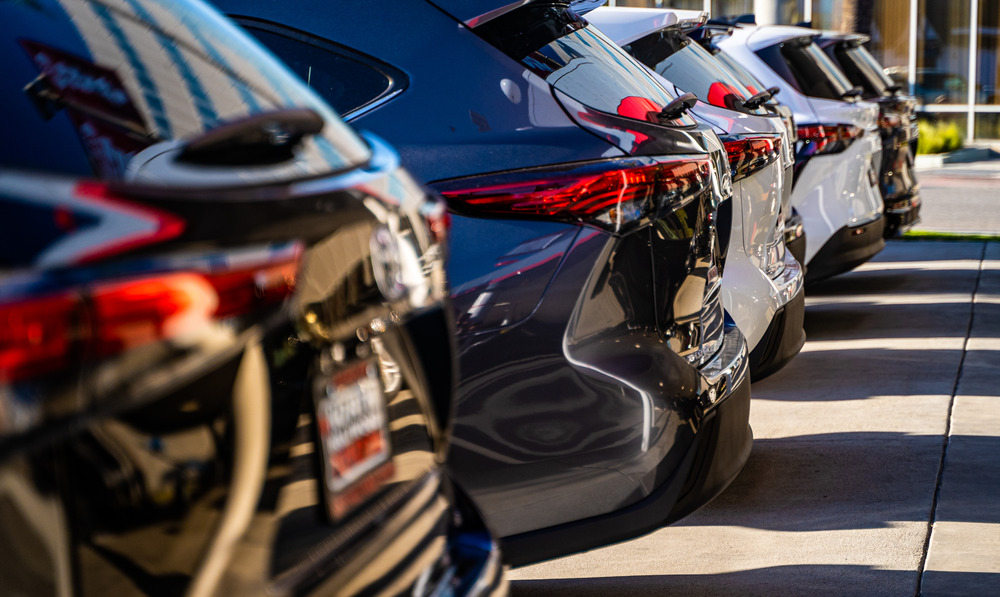
Imagine browsing a lot filled with cars just waiting for the right owner. That’s the beauty of the used car market—it allows you to pick from a broader range of makes and models often out of reach when buying new.
Whether you’re after a luxury ride or an affordable gem, there’s something for everyone. But the perks don’t stop there. You could land a rare model or even a discontinued favorite.
The Advantage of Time
New cars come and go, but the used car market holds onto models long after disappearing from dealership lots.
This means more variety and the chance to get your hands on older models you love but can’t find new. Let’s see how this works by checking out a few examples:
Rare Models You Can Only Find Used
In the used car market, specific rare models are still found—cars that left a lasting impression long after production ended.
1. Honda S2000
The Honda S2000 is a car enthusiast’s dream. Known for its sharp handling and high-revving engine, this sports car was discontinued in 2009, leaving a lasting legacy in the used car market.
2. Toyota FJ Cruiser
This rugged off-roader was built to handle any terrain, but Toyota stopped producing it in 2014. Yet, you’ll still spot it in the used car market, ready for adventure.
3. Chevrolet Avalanche
The Chevy Avalanche combined the best of a truck and an SUV before it was discontinued in 2013. Many drivers still seek it out for its unique versatility and rugged build.
Finding the Dream Car
A few years back, after months of searching, my friend finally found his dream car—a 2001 Nissan Silvia—at a used car dealership.
It wasn’t just any car; it was a model he had admired since his teenage years, now only accessible through the used car market. The moment he took it for a spin, it was as if time had rewound.
Price Flexibility Means More Options
One of the biggest perks of buying a used car is the price flexibility. You can find vehicles at different prices, offering more variety than new models. Let’s see how this flexibility gives you access to a broader range of brands and models.
Affordable Luxury and More Choices
When buying new, your budget often limits your options to a narrow selection of brands or models. In contrast, the used car market allows you to access vehicles that might have been out of reach if bought new. Brands like Mercedes, BMW, and Lexus, which carry hefty price tags when fresh off the lot, become much more affordable when buying used.
With the same budget you set for a new mid-range car, you could get a luxury model just a few years old with many of the same features. You’re not limited to current-year models either; you can choose from older cars with unique designs, making it easier to find a vehicle that truly fits your style.
More Variety for Every Budget
The flexibility in the used car market extends to a broader selection of car types. Whether you’re looking for a reliable family SUV, a stylish sedan, or a budget-friendly compact car, buying used gives you access to a wider variety of models within your price range.
Access to Premium Brands
One of the most exciting parts about buying a used car is the access to luxury brands that might otherwise be out of budget. The used car market makes it possible to afford high-end vehicles without breaking the bank. Let’s see how you can benefit from this.
Luxury Within Reach
Luxury cars like Mercedes-Benz, BMW, and Audi often have price tags that make them out of reach for many buyers when new.
However, these same cars become much more affordable in the used car market. When buying used, you can buy a premium vehicle without the sticker shock of new models.
Top Premium Models at Competitive Prices
In the used car market, premium models from luxury brands are available at a fraction of their original cost, making high-end vehicles more accessible.
1. Mercedes-Benz E-Class
Known for its refined design and advanced technology, the E-Class is often available at a fraction of its original cost in the used car market.
2. BMW 5 Series
A perfect blend of performance and comfort, the BMW 5 Series is an excellent option for those who want luxury without the new car price.
3. Audi A6
With its sleek styling and top-notch interior, the Audi A6 is another premium model used at a competitive price.
Better Variety of Fuel Types
When buying a used car, you’re not limited to the latest fuel options. The used car market offers more variety in hybrids, electric vehicles, and diesel models, giving you access to options not readily available in newer models. Let’s see why this is a huge advantage.
Older Models, Unique Features
Older hybrid and electric vehicles often have features or designs that newer models may not offer. Whether you’re looking for a classic Tesla or a durable Toyota Prius, the used market allows you to choose a broader range of fuel-efficient cars that suit your needs.
More Cars, More Choices
Buying a used car is like opening the door to endless possibilities. You’re not limited to the latest models—you can choose from a broad selection of brands, styles, and years.
Whether it’s that luxury car you’ve always dreamed of or a practical family vehicle, the choices are limitless. Ready to get behind the wheel of something that truly fits your style and budget? Visit Premier Auto Works Inc today and explore a range of options waiting for you!
Purchasing a used car can be a superior choice for buyers on a budget
When it comes to purchasing a vehicle, the attraction of a fresh-out-of-the-lot car can be strong. The smell of a new car, the latest technology, and the feeling of driving something that has never been owned before are compelling reasons to consider a new vehicle.
However, for budget-conscious buyers, buying a used car can often be a smarter financial decision. With that in mind, here are several reasons why opting for a used car can be the better choice. So, let’s begin!

Lower Purchase Price
One of the most immediate advantages of buying a used car is the lower cost. This is because new cars tend to depreciate sharply when driven off the lot. This initial depreciation can be as high as 20-30% in the first year alone.
By purchasing a used car, you avoid this steep depreciation curve, allowing you to buy a vehicle that retains its value better over time. This lower purchase price can also make it easier to afford a higher-end model or a car with more features than you could afford new.
Reduced Depreciation
As mentioned, new cars depreciate rapidly in the first few years. On the other hand, a used car has already gone through this period of rapid depreciation.
This means that the value of a used car will not drop as drastically in the short term, which can be beneficial if you plan to sell or trade in the car in the future. A used car can be a more stable investment with a slower depreciation rate.
Lower Insurance Costs
Insurance costs typically favor used cars over new ones. This is because the cost to replace or repair a used car is generally lower than that of a new car.
Additionally, some aspects of insurance, such as collision and comprehensive coverage, are based on the car’s value. With a lower-priced used car, these costs can be reduced, resulting in overall savings on your insurance policy.
More Car for Your Money
When you buy a used car, your money can go further. The lower price of used cars means that you might be able to afford a model with more features, better performance, or higher safety ratings than you could if you were buying new.
This can be particularly appealing if you have specific needs or desires for your vehicle, such as advanced technology, a powerful engine, or a luxurious interior.
Avoiding New Car Fees
New cars often come with additional fees that can add hundreds or even thousands of dollars to the final purchase price.
These can include shipping charges, dealer preparation fees, and destination fees. While some of these fees can also be present in used car purchases, they are generally lower and can sometimes be negotiated or waived entirely.
Certified Pre-Owned Programs
Several automakers offer Certified Pre-Owned (CPO) programs, which provide added assurance and benefits when buying a used car.
These programs typically involve rigorous inspections and reconditioning of used vehicles, as well as extended warranties and additional benefits such as roadside assistance. A CPO vehicle can offer many of the benefits of a new car, such as reliability and warranty coverage, while still providing the cost savings associated with buying used.
Vehicle History Reports
In the past, one of the main concerns with buying a used car was the uncertainty about the car’s history. However, today’s buyers can take advantage of comprehensive vehicle history reports from companies like AutoCheck and Carfax.
These reports provide detailed information about a car’s past, including accidents, repairs, and previous ownership. This transparency allows buyers to make more informed decisions and reduces the risk associated with purchasing a used car.
Lower Registration Fees
In many states, the car registration cost is based on its value and model year. As a car ages and depreciates, the registration fees also often decrease. This means that buying a used car can result in lower annual registration costs than a new car, providing additional savings over the vehicle’s life.
Environmental Benefits
Buying a pre-owned car offers an environmentally friendly alternative. The process of making new cars uses a lot of resources and energy, creating large amounts of emissions.
By purchasing a used car, you are effectively recycling and reusing a vehicle, which can reduce your overall environmental impact. Additionally, many used cars have already undergone emissions testing and may have had necessary repairs made to meet environmental standards.
Financing Flexibility
Financing a used car can sometimes be more flexible and accommodating than financing a new car. While interest rates on loans for new cars are often lower, the smaller loan amount for a used car can result in lower monthly payments and less financial strain.
Additionally, many financial institutions offer competitive rates and terms for used car loans, making it easier for budget-conscious buyers to find a financing option that works for them.
Wrapping Up
For budget-conscious buyers, the benefits of purchasing a used car are clear. Buying used can provide significant financial advantages, from lower purchase prices and reduced depreciation to lower insurance and registration costs.
Additionally, certified pre-owned programs and vehicle history reports offer added peace of mind, making used cars a reliable and economical choice. By considering the long-term savings and benefits, buyers can make a smart decision that meets their needs without breaking the bank.
Premier Auto Works Inc. offers a range of quality used cars and flexible financing options to help you find the perfect vehicle for your needs. Contact us today or to explore our selection and learn more about how we can assist you!
Understanding the Contrast between a Used Car Dealer and a Private Seller
When navigating the used automobile market, it’s vital to consider the advantages and disadvantages of buying from private sellers as opposed to used car dealerships. Dealerships provide financing choices, warranties, and convenience; private sellers, on the other hand, could provide more flexible conditions for negotiations and lower rates. Making sense of these differences guarantees that consumers make the right decisions for their requirements.
This detailed article explores the nuances of these two options, enabling consumers to navigate the pre-owned automobile market effectively and negotiate the best price. So, let’s begin!

Used Car Dealer Vs. Private Owner
A private owner is a person who owns an automobile and wants to sell it to another person directly. This usually avoids going through a dealership or other middleman. Instead of working with a trained salesperson, purchasers who buy a car from a private owner typically interact directly with the vehicle’s owner.
On the other hand, a dealership that sells pre-owned cars to consumers is known as a used car dealership. These dealerships usually buy used automobiles directly from people or through trade-ins, auctions, or direct purchases.
That said, there are occasions when purchasing from a private owner and a dealership has benefits. However, it also has downsides. Some of these are listed below:
Buying from a Private Owner
More Paperwork Work for You
When purchasing a car from a private seller, you and the seller must complete all the paperwork. If you wish to sell your present automobile, you’ll have to sell it privately since very few, if any, private dealers would take a trade-in. As previously stated, it will be your responsibility and the seller’s to finish the paperwork, transfer title and registration, and pay the associated costs.
No Guarantees or Warranties
You don’t have the same security when buying a used automobile from a private owner. However, the initial purchase price could be lower than what you could get by haggling with a dealer for a comparable vehicle.
Warranties are also not typically covered for private sales. You will be responsible for fixing any mechanical or electrical problems arising after purchasing the vehicle. Here, an impartial inspection is much more important when buying a used car from a private seller than a dealership. To avoid these risks, you should follow the steps below:
- Obtain a comprehensive written receipt that includes the vehicle identification number (VIN), your details, the seller’s full information, and the car’s price.
- Check with the appropriate state authority to ensure that the car has no outstanding debt and has not been written off.
- Ask for a certificate of roadworthiness and, if possible, a service history.
- Be realistic about the car’s suitability and condition compared to similar vehicles on the market.
- Conduct a test drive at various speeds.
- Arrange a mechanic to inspect the car thoroughly
More Haggling Room
One of the best reasons to purchase from a private seller is that you, the buyer, can easily bargain for the greatest deal. Private sellers usually overestimate the worth of the automobile they are selling.
They do this because they look at similar cars’ “asking” prices rather than the eventual “selling” price. However, you are always free to walk away and have plenty of opportunities to bargain. The best part is that you are always in a better position if the seller is in a hurry to sell.
However, negotiating with a dealer is harder. Dealers are quite cutthroat when it comes to negotiating for the best price. This is because they deal with automobile purchasers daily and are aware of the worth of the car they are selling.
Buying from a Used Car Dealer
More Expensive
Used car dealers are always looking to make a profit. So, buying a used car through this option will always be more expensive than buying from a private owner. On top of that, dealers also accept trade-ins as payment but will typically give you less money than when you sell your car privately.
Furthermore, a handful of dealers you shortlist might also be pushy. This kind of behavior should not be tolerated; if it occurs, talk to the sales manager or visit another used car dealer. However, remember that most salespeople are compensated on commission, so they could come across as a little overly eager to close a deal. The most effective and proficient salesperson are skilled at determining your true requirements and guiding you toward the best course of action.
Guarantees and Warranties
Reputable used car dealers typically offer great warranties and guarantees on the car they are willing to sell. But don’t forget that these might come at a cost.
So, don’t depend solely on the fact that reputable dealers should have done repairs and thoroughly inspected the used automobiles they offer for sale. Perform your inspection; get a professional if you don’t know how to. This might end up being money well spent as it will help you avoid buying a potential death trap.
Hassle-Free Purchase Process
There are no two ways about it. Buying a car will be one of the biggest financial transactions for most people. There are many traps for the unsuspecting or unskilled, and some of us may fit both descriptions when purchasing an automobile.
Dealers can relieve some of this stress, as selling cars regularly is their bread and butter. A used car dealer has experience with the ins and outs of automobile sales and is knowledgeable about all the paperwork, including title and registration transfers.
Wrapping Up
Understanding the differences between buying a used car from a private owner and a used car dealer is extremely important for making an informed decision. However, by weighing the pros and cons of each option, you can navigate the used car market more effectively and find a deal that suits your needs.
Whether you choose the personalized approach of a private sale or the structured process of a dealership, being well-informed will help you secure the best possible outcome for your car purchase. For more information about buying from a private owner or used car dealer, visit Premier Auto Works Inc today!