
How to Build or Rebuild Credit by Buying a Used Car — Build Credit with a Used Car Loan
Buying a used car can be more than just getting reliable transportation — it can be a strategic way to rebuild their credit after setbacks or help you build a better credit profile. For many buyers, a responsible used car loan and on-time payments improve your credit score, create positive payment history for major credit bureaus, and open doors to better rates on future loans. This guide explains how to use a used vehicle purchase to strengthen your credit profile while minimizing risk and cost.
How can a used car loan help build credit or rebuild your credit?
A used car loan is considered an installment loan that shows up on your credit report and helps diversify the types of credit in your credit profile. For people with bad credit or a thin credit history, a consistent record of on-time payments for a used car loan signals to lenders and the credit bureaus that you can responsibly manage debt. That positive payment history is one of the strongest factors to improve your credit score over time.
When you apply for an auto loan, the lender reports the loan and monthly payments to the credit bureaus, which can raise your score as long as you make payments on time. Even if you start with a low credit score or poor credit, a car loan can help rebuild your credit by creating a predictable payment plan that demonstrates reliability to future lenders.
What should I check on my credit report before applying for a car loan?
Before you apply to buy a car, check your credit report for errors or inaccuracies that could hurt your credit. Reviewing reports from the major credit bureaus — Equifax, Experian, and TransUnion — helps you spot incorrect accounts, outdated information, or identity issues that lower your credit score. Disputing and correcting errors before applying can increase your chance to get approved and securing a better interest rate.
Also look at your credit utilization and existing payment history to help improve your credit score. If you have revolving accounts like credit cards, try to lower balances or bring accounts current. Lenders use your credit profile and payment history to set loan terms, so a cleaner credit report often results in lower interest rates and a more affordable monthly payment.
How do lenders evaluate a used car loan for buyers with bad credit?
Lenders consider several factors when approving a used car loan for buyers with bad credit: credit score, payment history, income, debt-to-income ratio, and the loan amount relative to the vehicle value. Some dealerships and financial institutions offer less-than-perfect credit programs or “buy here pay here” options, but those often carry higher interest rates and stricter loan terms. A credit union or a community lender may provide more favorable options for rebuilding credit.
To improve your chances of approval, bring documentation of steady income, proof of residence, and a larger down payment to lower the loan-to-value ratio. A cosigner can also help you get approved or secure a better interest rate, but remember that missed payments will impact both parties’ credit histories.
How can choosing the right dealership impact your credit and loan terms?
Selecting the right dealership matters when you buy a used car and seek to improve your credit score. Reputable used car dealerships work with multiple lenders and may help you find used car finance options tailored to your credit situation. Working with trusted used car dealers increases the chances you’ll get approved for sensible loan terms and avoids predatory lending practices that can damage your credit.
Compare offers from dealerships, local credit unions, and online lenders. Look at the interest rate, loan term, monthly payment, and fees. Always ask how the dealership reports to the credit bureaus and whether they offer tools like automatic payments or payment plans to help you maintain on-time payments and strengthen credit over time.
What loan terms should I consider to improve my credit without overpaying?
The loan term, interest rate, and monthly payment all play a role in how useful a car loan is for building credit. Shorter loan terms usually mean higher monthly payments but less interest paid overall, while longer terms lower the monthly payment but increase the total interest and the risk of negative equity. Choose a loan term that you can comfortably manage with consistent on-time payments to help improve your credit.
Focus on an interest rate that fits your budget and a monthly payment you can pay reliably. Setting up automatic payments or reminders will help ensure you repay the loan on time and avoid late payments that hurt your credit. A larger down payment can lower both the monthly payment and the interest rate, making it easier to maintain bills on time.
Can buying a used car hurt your credit instead of helping it?
Yes, buying a used car can hurt your credit if the loan is mismanaged. Missed or late payments are reported to the credit bureaus and can damage your credit score, potentially making it harder to get approved for future loans. Taking on a car loan with bad credit and unaffordable monthly payments, or repeatedly applying at multiple lenders and generating hard inquiries, can also negatively impact your credit situation.
To avoid damage to your credit, create a realistic budget before applying, choose a loan term and monthly payment that you can sustain, and set up automatic payments. Avoid predatory “buy here pay here” dealerships unless you fully understand the obligations and reporting practices, and always check your free credit report regularly to monitor impact.
How can automatic payments and payment strategies help improve your credit?
Setting up automatic payments is one of the simplest ways to ensure consistent on-time payments for your car loan, which can help you build credit. On-time payments are a core factor in your credit history and payment history, and regular, timely payments on your auto loan will steadily help improve your credit score. Use automatic payments to avoid missed payments due to forgetfulness and to demonstrate reliability to the credit bureaus and future lenders.
Other strategies include paying slightly more than the minimum monthly payment when possible to reduce principal faster, making biweekly payments to reduce interest over the life of the loan, and keeping credit card balances low to manage credit utilization. These habits support both short-term affordability and long-term credit strength.
Should I consider a cosigner, and how does that affect my credit?
A cosigner can improve your chances to get approved for a used car loan or obtaining a lower interest rate, especially if you have a low credit score or poor credit. The cosigner’s stronger credit profile reassures the lender, but both the primary borrower and the cosigner are equally responsible for loan payments. Missed payments will impact both credit reports, so choose a cosigner who understands the responsibility.
If you have a cosigner, focus on making on-time payments and, if possible, refinancing later in your own name once your credit improves. Successfully repaying the loan shows lenders you can manage debt and helps rebuild your credit profile for future car buying or loan applications.
How can I shop for the best used car finance options to build my credit?
Compare finance options from multiple sources: dealership finance offers, credit unions, banks, and online lenders. Prequalification or preapproval tools let you check potential interest rates without many hard inquiries, giving you bargaining power when you negotiate at the dealership. Look for lenders that report to the major credit bureaus to ensure your on-time payments will positively impact your credit report.
When evaluating offers, pay attention to the APR, loan term, monthly payment, and any fees. Consider a larger down payment or a shorter loan term to lower interest costs and strengthen your credit faster. If you have less-than-perfect credit, seek out community lenders or specialized programs that help people rebuild credit responsibly.
How long will it take to improve your credit after buying a used car?
Improving your credit after buying a used car depends on your starting credit score, the severity of past issues, and how consistently you make on-time payments. Many people see measurable improvement within six to twelve months of steady payments, while more serious credit problems may take longer. Building a history of on-time payments, reducing credit utilization, and maintaining low balances accelerate credit score recovery over time.
Keep checking your credit report for progress and errors, and use tools like secured credit cards or small installment loans to further diversify your credit mix. Remember that rebuilding credit is a process: consistent positive actions, including repaying a used car loan, are the most reliable way to achieve better credit.
What are practical tips to protect your credit while buying a used car?
Practical tips include: check your credit report and score before you apply, set a realistic budget for a monthly payment, shop multiple lenders for the best interest rate, put down a larger down payment, and choose a loan term you can afford. Use automatic payments to ensure on-time payments and avoid late fees that harm your credit. Keep other bills on time and manage credit cards to maintain a healthy credit utilization ratio.
Additionally, ask the lender how they report to the major credit bureaus, consider a credit union for more favorable terms, and avoid applying to many lenders at once so you don’t accumulate hard inquiries. These steps reduce the risk of damaging your credit while you use a used car loan to build your credit profile.
How can I continue to strengthen my credit after repaying the car loan?
After repaying the loan, continue to strengthen your credit by keeping active credit accounts in good standing, maintaining low credit utilization, and avoiding missed payments. If the car loan helped rebuild your credit, consider refinancing to lower your interest rate, applying for a credit card with better terms, or adding a secured credit card to diversify your credit accounts and build a longer payment history.
Regularly check your credit report for errors, monitor your credit score, and maintain healthy financial habits like saving for emergencies and paying bills on time. These habits will help you secure better financing for your next car or any new credit needs and ensure a stronger credit future, paving the way to rebuild your credit.
Conclusion
Buying a used car can be an effective way to rebuild your credit when approached thoughtfully, especially if you manage the auto loan responsibly. A responsible used car loan, consistent on-time payments, and careful selection of lender and loan terms will create positive payment history on your credit report and improve your credit score over time. Always check your credit, compare offers from dealerships, credit unions, and lenders, and set up automatic payments to protect your credit while you get the reliable transportation you need.
For Illinois-area car buyers, Premier Auto Works Inc., a Used Car Dealership in Alsip, IL, can help you find used cars for sale, discuss used car finance options, and connect you with lenders who report to the major credit bureaus. Whether you’re dealing with bad credit or simply want to improve your credit score, working with reputable used car dealers and planning your car purchase carefully can help rebuild your credit and put you on the path to better credit and stronger financial health.
Frequently Asked Questions:
What steps should I take to build or rebuild credit by buying a used car?
Get preapproved, choose a reliable affordable used car, make a small down payment if possible, sign an installment loan or lease in your name, and make every payment on time to build positive payment history.
Can a used car loan help if I have no credit or bad credit?
Yes — a used car loan reported to credit bureaus can establish or improve your credit score, as long as you make timely payments and avoid default.
Should I use a dealer, bank, or credit union to rebuild credit with a used car?
Credit unions and local banks often offer better rates and flexible terms for rebuilding credit, but choose any lender that reports to the major credit bureaus and offers affordable payments.
How long until I see credit improvement after buying a used car?
You may see changes within a month or two after on-time payments are reported, with more significant improvements after 6–12 months of consistent payments.
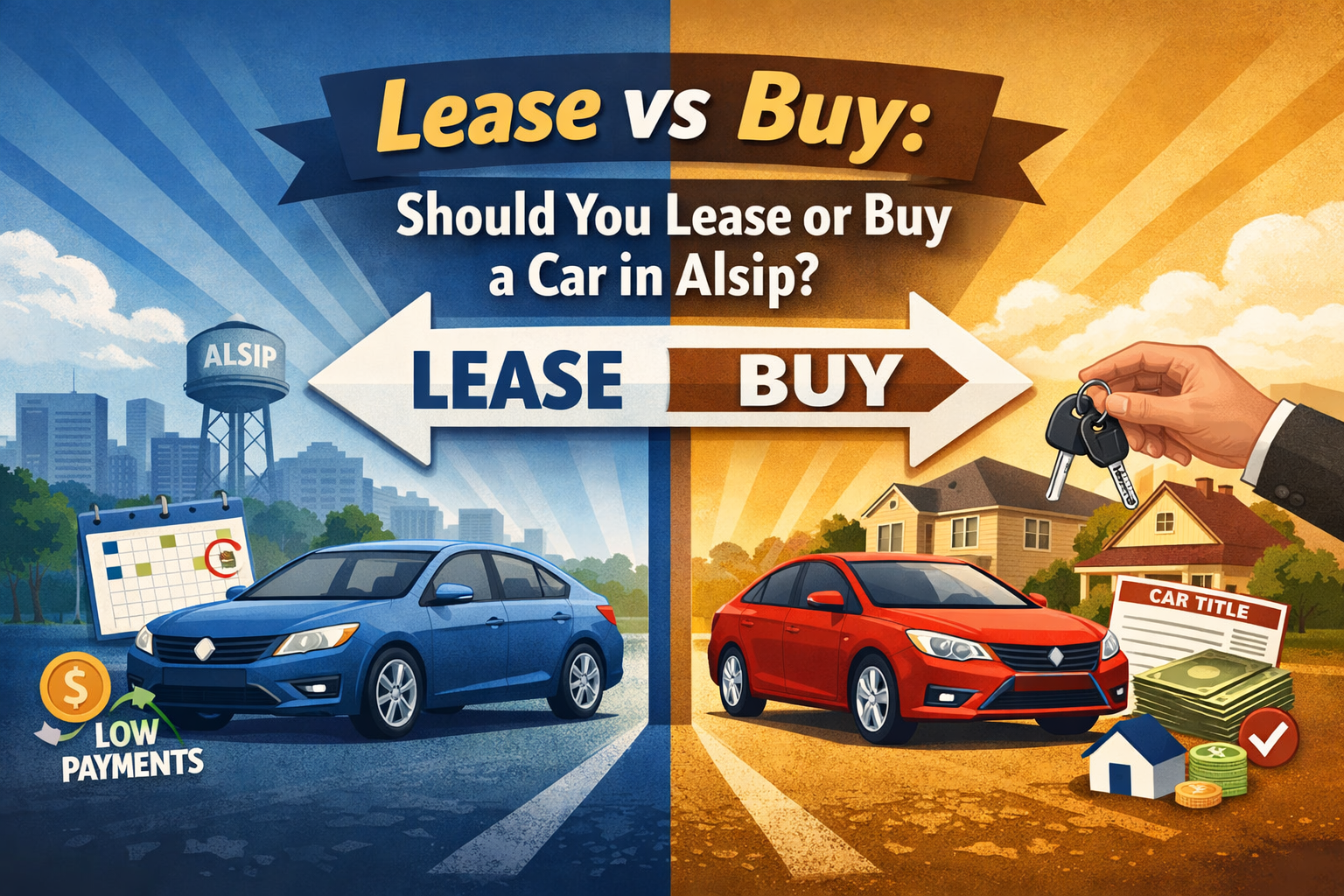
Lease vs Buy: Should You Lease or Buy a Car in Alsip?
Deciding whether to lease or buy is one of the biggest choices Alsip, Illinois drivers face when getting a used car. Understanding lease vs buy options, monthly payment differences, mileage limits, warranty coverage, and repair costs helps you make an informed decision that matches your driving habits, budget, and plans to keep the car long-term.
What are the main differences between leasing a car and buying a car?
Leasing or buying a car affects upfront costs, monthly payment expectations, and long-term ownership. When you lease a new vehicle, you typically pay a lower monthly lease payment compared to financing to buy a car because you’re paying for depreciation during the lease term rather than the total cost of the vehicle. Leasing may include manufacturer’s warranty coverage for most of the term, which can lower repair costs during the lease.
Buying a new or used vehicle often involves higher monthly payments but gives you the option to buy the car at the end of the loan and avoid mileage limits. If you plan to keep the car for many years, buying may provide better value vs buying a new one every few years. Financing options at a dealership or used car lot like Premier Auto Works Inc can help you compare buy vs lease scenarios.
How do the monthly payments and overall costs compare when you buy or lease?
One of the biggest draws of leasing is a lower monthly payment. Lease payments are generally lower because you pay for the vehicle’s depreciation over the lease term rather than the full cost. For Alsip drivers targeting lower monthly payments, leasing a car can make a higher-end model or SUV more affordable in the short term.
However, the cost of the vehicle over the long run often favors buying. Buying may result in higher payments initially, but once the loan is paid off, you own the asset with no monthly payments. Consider repair costs after the manufacturer’s warranty ends, potential higher auto insurance premiums for leased vehicles, and the cost of exceeding mileage restrictions when calculating total cost versus leasing and buying.
What role do mileage limits and driving habits play in deciding lease vs buy?
Mileage is a crucial factor when choosing whether to buy or lease. Lease agreements include mileage limits—often quoted as miles per year or annual mileage—which, if exceeded, result in excess mileage fees at lease end. If your driving habits include long commutes or frequent road trips, leasing may cost more because of mileage restrictions.
Buyers who plan to keep a vehicle and drive more miles annually avoid mileage restrictions and the penalties of the lease end. For Alsip drivers with variable driving habits, evaluate your typical miles per year and ask the dealership about higher mileage lease options or choose to buy to prevent future excess charges.
Are manufacturer’s warranty and repair costs different for leasing vs buying?
Leasing a new vehicle often comes with manufacturer’s warranty coverage for most or all of the lease term, which reduces repair costs and unexpected expenses. This is one reason leasing may appeal to drivers who want predictable maintenance and fewer surprise repair bills during the lease term.
Buying a used car or a new car transfers long-term repair costs to the owner after warranty coverage expires. Buyers should budget for maintenance and repair costs, especially for older used vehicles. A The dealership can help you understand warranty coverage and service plans that may help lower repair costs, whether you choose to buy or lease your next vehicle.
How does choosing a new vehicle versus a used car affect buy or lease choices?
New vehicle leases are popular because the latest models – leasing programs often include incentives, lower monthly lease payments, and manufacturer’s warranty coverage. Leasing may let you drive an SUV or new car with the latest features for less than financing a purchase of the same model.
Used cars are often bought rather than leased. Buying a used vehicle can provide lower overall cost and lower payments in some cases, and avoids the lease agreement’s mileage restrictions and end of the lease fees. If you’re shopping for used vehicles in Alsip, compare financing options and the benefits of buying used vs leasing new.
What are the common pros and cons of leasing a car for Alsip drivers?
Pros and cons of leasing include several tradeoffs. Pros: lower monthly payment, the ability to drive a new car more frequently, warranty coverage during the lease term, and likely lower repair costs. Cons: mileage restrictions, possible excess wear-and-tear charges, lease end penalties, and no ownership equity.
Leasing may appeal if you want to upgrade every few years and pay less monthly. However, if you dislike annual mileage limits or want long-term ownership, leasing and buying should be contrasted carefully. Consider cons of leasing such as mileage restrictions and the inability to buy the vehicle outright without an additional purchase option in the contract.
What are the advantages and disadvantages of buying a vehicle versus leasing?
Benefits of buying include ownership, the ability to customize the vehicle, no mileage limits, and potential long-term savings once loans are paid off. Buying a car gives you equity and the flexibility to sell or trade at any time. Buying may also be better if you plan to keep the car for many years because you pay less over time vs repeated leases.
Cons of buying include higher monthly payments for new car loans, higher upfront costs in some cases, and potential repair costs after warranty coverage expires. Buying a used car can mitigate some of these cons but requires careful inspection and awareness of warranty coverage and repair costs. Dealerships and used car specialists can help you weigh these factors when deciding whether you should buy or lease.
How should I think about lease term, lease agreement details, and end of the lease?
Understanding the lease term and lease agreement details is essential when leasing a car. Pay attention to the term length, annual mileage allowance, excess wear-and-tear definitions, and any fees at the lease end. A longer lease term may lower monthly lease payments but could reduce flexibility to upgrade to a new car.
At the end of the lease, you can return the vehicle, pay any excess mileage or wear fees, or choose to buy the car if the lease agreement includes a buyout option. Plan ahead for the lease end by reviewing the lease agreement and considering whether you want to lease your next vehicle, return the vehicle, or buy the car from the leasing company.
How do financing options and dealership incentives influence buy vs lease decisions?
Dealerships often offer different financing options, lease specials, and manufacturer incentives that can change whether leasing or buying is cheaper in the short term. Lease specials may include lower monthly lease payments, promotional terms on new vehicles, and attractive deals on SUVs and popular models.
Financing options for buying—such as low-interest loans or rebates—can tilt the balance toward buying. Compare the total cost of the vehicle, the monthly payment, and the cost of ownership over your intended period. A trusted dealership or used car dealer can help you analyze lease vs buy scenarios and help you make an informed decision based on current incentives.
How do auto insurance, taxes, and registration differ between leasing and buying?
Auto insurance requirements can differ: leasing companies typically require higher levels of coverage, such as low deductibles and comprehensive coverage, which can raise insurance costs compared to buying. Taxes may be assessed differently; some states tax monthly lease payments rather than the full purchase price, affecting monthly cost calculations.
Registration fees and other state-specific costs should be included in your buy vs lease comparison. Make monthly payment projections that include auto insurance premiums, taxes, and registration so you have a clear picture of total monthly obligations while leasing or buying a vehicle.
How can I decide whether leasing or buying is right for me based on my goals?
To choose between leasing and buying a car, evaluate your driving habits, budget, and long-term goals. If you want lower monthly payments, like driving new models regularly, and keep within mileage restrictions, leasing may be your better option. If you plan to keep a vehicle for many years, drive heavy miles, or want to avoid mileage restrictions and build equity, buying could be preferable.
Make a checklist: estimate miles per year, desired monthly payment, how long you plan to keep the next car, anticipated repair costs, and whether you prefer warranty coverage. Use that to decide whether leasing or buying aligns with your priorities and consult with a dealership to explore tailored financing options and the pros and cons of leasing vs buying a car.
What practical steps can help you make an informed decision about buy vs lease?
Follow these steps to make an informed decision: 1) Calculate your typical miles per year and driving habits; 2) Compare total cost of ownership vs lease payments including taxes, insurance, and repair costs; 3) Evaluate warranty coverage and anticipated repair needs post-warranty; 4) Get quotes for both lease and buy from dealerships and financing institutions.
Ask the dealership to provide clear examples: expected monthly payment for a lease, residual value, lease term, buyout price at lease end, and financing rates for buying. Consider used vehicles too—buying a quality used SUV or car can often offer the best balance of lower cost and flexible ownership if repair histories and warranty coverage are favorable.
How do specific models like SUVs or used vehicles affect the lease versus buying decision?
SUVs and popular new models often have attractive lease programs, which may lower monthly lease payments and include incentives from the manufacturer. Leasing and buying vary by model due to depreciation rates; vehicles that depreciate quickly may have lower lease costs because residual values are factored in differently.
When considering used vehicles, buying usually makes more sense because used car prices are lower and you avoid leasing and buying conflicts like mileage limits. If you’re focused on an SUV or a specific make, research residual values, reliability, and typical repair costs to see whether buying or leasing offers better value long-term.
How can dealerships and dealers help you choose whether to buy or lease?
A reputable dealership or used car dealer can break down the numbers for you and help you compare buy vs lease options tailored to your needs. They can provide test drive opportunities, explain lease agreement details, show financing options, and give clear comparisons of monthly payments, warranty coverage, and repair cost expectations.
Dealerships may offer special lease and financing programs and can help you understand the cons of leasing and cons of buying in your specific situation. Use dealer expertise to review manufacturer’s warranty coverage, end-of-lease procedures, and buyout options so you can make a confident decision.
Summary — key takeaways to help make an informed decision
- Leasing often yields a lower monthly payment and includes manufacturer’s warranty coverage, but comes with mileage limits and end-of-lease fees.
- Buying a car usually has higher monthly payments up front but builds equity, avoids mileage restrictions, and may be cheaper long-term if you plan to keep the vehicle.
- Consider driving habits: heavy miles favor buying; predictable, moderate miles can favor leasing.
- Factor in repair costs, warranty coverage, auto insurance differences, taxes, and registration when comparing total ownership cost vs leasing.
- Get quotes from dealerships, compare financing options, and examine lease term and lease agreement details before deciding.
Whether you choose to lease your next car or buy a vehicle in Alsip, IL, use these guidelines to weigh lease vs buy options carefully. Local dealerships and used car dealers can help you test drive, compare payments, and understand mileage restrictions, warranty coverage, and repair costs. For drivers researching pre-owned vehicles and leasing or buying a car, Premier Auto Works Inc, a Used Car Dealer in Alsip, IL, can help you make an informed decision whether leasing or buying is right for you. They can show SUV and used vehicle options, explain the benefits of buying versus leasing, clarify mileage limits, discuss manufacturer’s warranty, and review financing options to help you pay less or choose to buy based on your driving habits and goals.
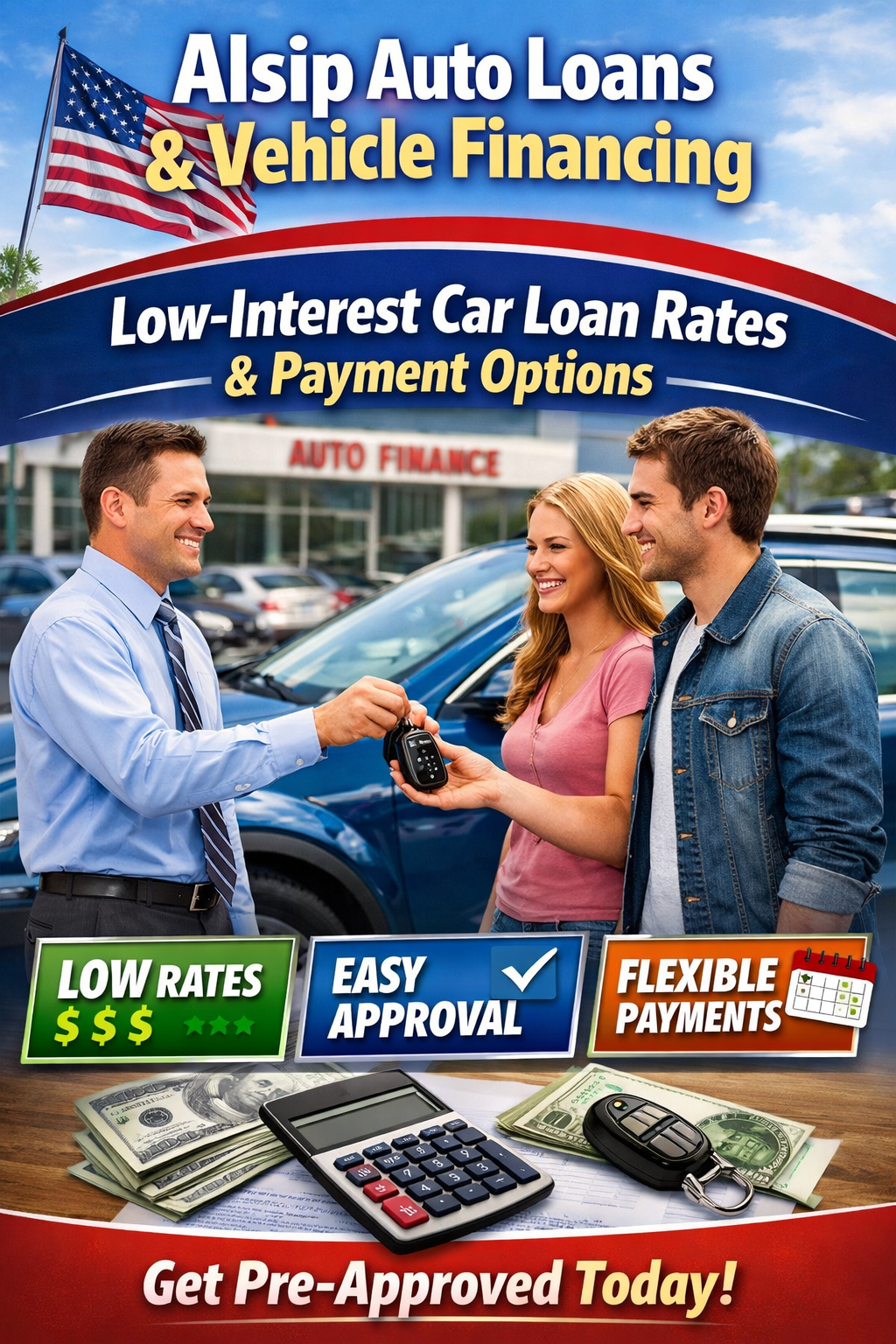
Alsip Auto Loans & Vehicle Financing: Low-Interest Car Loan Rates and Payment Options
Finding low interest car financing plans in Alsip, Illinois can make the difference between stretching your budget and driving away with an affordable used vehicle. Whether you need a vehicle loan for a new or used car, want to refinance a current loan, or are comparing credit union offers to dealership rates, understanding loan terms, APR, and monthly payment options will help you secure the best rate and lower interest over the life of your auto loan.
How can I qualify for low interest auto loan rates in Alsip?
Qualifying for lower interest rates on a vehicle loan in Alsip often depends on a combination of credit score, credit history, down payment, and the lender you choose. Credit unions in Illinois frequently offer competitive rates as low compared to banks or dealer financing, especially if you have a good credit score or an established checking account with the institution. Prospective borrowers should gather recent pay stubs, proof of residence, and vehicle information to speed up the qualification process.
To improve your chances to qualify, consider: 1) checking your credit score and correcting any errors; 2) increasing your down payment to reduce the loan amount and monthly payment; 3) opting for a shorter loan term like 36 months to secure a lower APR. Remember that rates may vary depending on the lender, loan terms, and whether you’re shopping for a new vehicle or a pre-owned truck or car.
What are typical loan rates and APR for used car financing in IL?
Loan rates and annual percentage rate (APR) for used car financing in Illinois can vary widely. Factors include borrower credit history, vehicle age and mileage, whether you finance through a credit union or a car dealer, and current market conditions. Used car APRs are often higher than new car rates because lenders consider higher risk with pre-owned vehicles; however, competitive dealerships and credit unions may offer rates as low as those for new and used cars under promotional specials.
When comparing offers, look beyond the advertised APR. Consider the total loan amount, loan term, and expected monthly payment. Use an auto loan calculator to estimate monthly payment and total interest paid for different loan terms. Keep in mind that rates are subject to change and may vary depending on subject to credit approval and current promotions from lenders or finance centers.
Should I finance through a credit union, dealer, or bank in Alsip?
Choosing between a credit union, dealer, or bank depends on your priorities: lowest interest rate, convenience, or speed of funding. Credit unions often provide lower loan rates and flexible terms, especially to members with solid credit histories. Dealers can be convenient and may offer promotional low interest financing or specials for new and used vehicles, but dealer rates sometimes include additional fees or higher APRs if you do not qualify for special programs.
Tips for deciding: 1) Prequalify with multiple lenders to compare loan rates and monthly payment estimates; 2) bring a preapproval from a credit union to the dealership to negotiate better dealer financing; 3) understand loan terms, warranties, and any dealer add-ons that can increase the purchase price or APR. This approach helps you secure the best vehicle loan and lower monthly payments on your next vehicle.
How can I lower my monthly payment on a vehicle loan?
Lowering your monthly payment can be achieved by negotiating a lower purchase price, increasing your down payment, extending the loan term, or refinancing later at a lower rate. While extending the loan term reduces monthly payment, it can increase total interest paid over time and may affect your credit profile. Making a larger down payment or trading in a vehicle reduces loan amount and can immediately lower monthly payment and APR in some cases.
If you already have a vehicle loan, refinancing is an option to reduce monthly payments or secure a lower interest rate. Refinancing depends on your current credit score and market loan rates; if credit has improved since you took the original loan, you may qualify for better rates. Use a vehicle loan calculator to compare current loan payments with proposed refinance terms and consider any fees or prepayment penalties associated with the current or new loan.
What documents and information are required to apply for auto financing in Alsip?
Applying for auto financing typically requires proof of identity, proof of income, proof of residence, and vehicle information if you’re purchasing a specific car. Common documents include a valid driver’s license, recent pay stubs or tax returns, bank statements, proof of insurance, and vehicle details like VIN, mileage, and purchase price. Credit unions may also request proof of membership eligibility.
Dealership finance centers will often handle much of the paperwork, but bringing your own documents speeds up the approval process. If you plan to refinance, bring your current loan statement, title information, and payoff amount. Having all documents ready improves your odds of qualifying for competitive rates and completing the purchase quickly.
When is refinancing a vehicle loan a smart move?
Refinancing a vehicle loan is smart when you can secure a lower interest rate or more favorable loan terms that reduce your monthly payment or total interest paid. Refinancing may be especially beneficial if your credit score has improved since you took out the original auto loan or if market rates have dropped. Borrowers in Alsip should compare current loan rates from credit unions and lenders to determine potential savings.
Consider refinancing if: 1) your new rate results in meaningful monthly savings; 2) refinancing does not extend the loan term excessively; 3) there are no costly prepayment penalties. Use an auto loan calculator to estimate the break-even point — when the refinance savings offset any fees. If the numbers align, refinancing can lower interest and reduce stress on loan payments.
How do dealerships in Alsip compete on rate and financing specials?
Alsip auto dealers and car dealers often run financing specials to attract buyers, including promotional rates, discounted APR for qualified buyers, and limited-time incentives for new and used cars. Certain dealers partner with manufacturers or local lenders to offer “rates as low” campaigns or special terms for well-qualified borrowers. These deals can be attractive but may require excellent credit or specific loan terms to qualify.
When evaluating dealer offers, ask specific questions: Are the rates subject to credit approval? What is the required down payment? Are incentives tied to choosing dealer financing versus an external lender? Compare dealer offers with preapprovals from credit unions or banks to ensure the dealer’s advertised rate truly provides the best financing option for your situation.
What role does credit score and credit history play in auto loan approval?
Credit score and credit history are central to auto loan approval and the interest rate you receive. A strong credit score typically earns lower APR and better loan terms, while lower scores can result in higher rates or limited lender options. Lenders assess payment history, length of credit, and recent inquiries to determine risk and set rates for vehicle loans and car loans.
If your credit history needs improvement, take steps before applying: reduce outstanding debts, make on-time payments, and avoid new credit inquiries. For buyers with less-than-perfect credit, credit unions and buy-here-pay-here dealers may provide options, but expect higher APR and stricter loan terms. Some borrowers use a co-signer to qualify for a lower interest rate and better loan terms.
Are there special financing options for trucks, high-mileage, or older used vehicles?
Financing older or high-mileage vehicles and trucks can be more challenging, but options exist. Lenders typically limit loan terms and rates for vehicles beyond a certain model year or mileage threshold. Some lenders and specialized dealers offer financing programs tailored to pre-owned trucks, high-mileage cars, and specialty vehicles, though those programs may come with higher interest rates or shorter loan terms.
To improve your chances: 1) choose a certified pre-owned unit with a warranty to reassure lenders; 2) shop local auto dealers and credit unions that offer flexible terms for new and used vehicles; 3) consider a larger down payment to lower the loan amount. Always compare offers and read the fine print — loan rates and qualification requirements may vary depending on the lender and the vehicle’s age or mileage.
How can I compare loan offers and calculate the best auto financing deal?
Comparing loan offers requires evaluating APR, loan term, monthly payment, total interest, and any fees or prepayment penalties. Use a vehicle loan calculator or auto loan comparison tools to input different APRs, loan amounts, and terms. This helps you see the real cost of each option and choose the deal that best matches your budget and credit profile.
When you compare, pay attention to: 1) total cost of the loan including interest; 2) length of the loan — shorter terms often save money over time; 3) whether promotional rates require dealer financing or other conditions. Getting preapproved from a credit union or lender gives you leverage at the dealership and helps you negotiate better rates and a lower purchase price for your next vehicle.
What common mistakes should buyers avoid when financing a used car?
Buyers often make mistakes like focusing solely on monthly payments, skipping preapproval, or accepting the first financing offer. Concentrating only on a low monthly payment can lead to longer loan terms and higher total interest. Always check APR and total loan cost. Failure to shop multiple lenders, including credit unions and banks, can cost you thousands over the life of the loan.
Other mistakes include not checking vehicle history or skipping an independent inspection for a used vehicle, which can lead to unexpected repair costs that affect your ability to make loan payments. Avoid signing without understanding loan terms, fees, and whether any dealer add-ons increase the loan amount. Being informed and using calculators and multiple preapprovals will help you secure a better finance outcome.
Conclusion: Key takeaways for low-interest car financing in Alsip, Illinois
- Compare credit union, dealer, and bank loan rates to find the lowest APR and loan payments.
- Prequalification and improving credit score can secure lower interest and better loan terms.
- Use an auto loan calculator to compare monthly payment, APR, and total interest across loan terms.
- Consider refinancing if rates drop or your credit improves to lower monthly payments or interest paid.
- A larger down payment or shorter loan term often results in lower rate and total cost.
- Watch out for dealer add-ons and read loan terms carefully; rates and offers may vary depending on credit and lender.
For buyers researching pre-owned vehicles and looking for competitive financing options, local Alsip auto dealers and credit unions can offer a range of financing choices. Premier Auto Works Inc, a Used Car Dealership in Alsip Illinois, works with lenders and credit unions to help customers secure vehicle loan solutions, refine finance strategies, and explore refinance options. Whether you’re searching for a used car, truck, or your next vehicle, discussing loan terms, APR, and payment strategies with a trusted dealer and lender can help you secure lower interest, manageable loan payments, and a financing plan that fits your credit history and budget.

Is It Cheaper to Buy from a Dealer or Private Seller? A Cost Comparison
Buying a used car is a significant decision, and one of the first choices buyers face is whether to go through a car dealership or deal directly with a private seller. Both routes offer pros and cons, and the true cost of ownership goes far beyond the sticker price. From warranty coverage and vehicle condition to convenience and peace of mind, there are several important factors that can impact the total value you receive.
In this blog post, we break down the core differences between these two buying paths. We cover pricing, risk factors, warranty options, and what to expect from both dealership and private transactions.
Keep reading to learn how to make the smartest choice for your budget, risk tolerance, and peace of mind.
What Are the Key Differences Between Buying from a Dealer and a Private Seller?
Understanding the Role of a Car Dealer
A car dealer plays a pivotal role in the used car market, acting as an intermediary between the buyer and the seller. Dealerships typically offer a range of pre-owned vehicles, often including certified pre-owned options that have undergone rigorous inspections and come with warranties. Many dealers provide financing options, making it easier for buyers to afford the car they desire. When you buy from a dealer, the transaction is generally more structured, offering certain protections and assurances that can be beneficial for the buyer.
Advantages of Buying from a Private Seller
Buying from a private seller can often yield a better deal in terms of price, as private sales usually involve less overhead compared to dealerships. A private seller is often motivated to sell quickly, which can lead to more flexible negotiations. Furthermore, when purchasing a car from a private seller, buyers may have the opportunity to acquire a vehicle that has unique features or is in better condition than those found at a dealership. However, the lack of formal processes means that buyers must be diligent in their research and inspections.
Considerations for Each Option
When deciding between a dealer and a private seller, buyers should consider several factors. Dealers offer the advantage of a structured buying experience, complete with warranties and financing options. However, these benefits come at a cost, as used car prices at dealerships tend to be higher. Conversely, buying a car from a private seller may seem more economical, but it requires thorough due diligence in verifying the condition of the vehicle and ensuring the legitimacy of the sale. Ultimately, the choice between a dealer or a private seller depends on the buyer’s comfort level with risk and their specific needs regarding the car purchase.
How Do Used Car Prices Vary Between Dealers and Private Sellers?
Factors Influencing Used Car Prices at Dealerships
Used car prices at dealerships are influenced by various factors, including the dealership’s operating costs, market demand, and the condition of the vehicle. Dealerships often have additional costs, such as employee salaries and overhead, which they pass on to the buyer. Additionally, many dealers offer vehicles that have undergone inspections and refurbishments, which can justify a higher sale price compared to a car purchased from a private seller. Also, the presence of a warranty can add to the overall value of a car from a dealership.
Market Trends for Private Sales
The market for private sales typically reflects the current demand and supply dynamics in the local area. Generally, used car prices may be lower when buyers opt to purchase a car privately. However, market trends can fluctuate based on economic conditions, vehicle popularity, and regional preferences. A private seller may be more inclined to negotiate, especially if they are eager to sell quickly. Buyers must be vigilant and compare multiple listings to ascertain a fair price when considering a private sale.
Comparative Pricing: Dealer vs. Private Seller
When comparing dealer and private seller prices, it is essential to consider the overall value rather than just the sticker price. While a dealer may charge more for a used vehicle, the added benefits of warranties, vehicle history reports, and the reassurance of a reputable transaction can offset the higher costs. Conversely, while purchasing from a private seller could initially seem less expensive, buyers must factor in potential repair costs and the risk of purchasing a vehicle with undisclosed issues. Ultimately, a comprehensive analysis of the total costs involved in both purchasing scenarios is crucial for making an informed decision.
What Kind of Warranty Can You Expect When Buying from a Dealer?
Types of Warranties Offered by Dealerships
One of the significant advantages of buying a car from a dealership is the availability of various warranty options. Many dealers offer limited warranties that cover specific components for a set period or mileage, providing buyers with peace of mind regarding their car purchase. Additionally, some dealerships provide extended warranties for an extra fee, which can further protect buyers from unexpected repair costs. Certified pre-owned vehicles often come with manufacturer-backed warranties, enhancing the reliability of the purchase.
Are Warranties Available for Cars from Private Sellers?
Unlike dealerships, cars purchased from private sellers typically do not come with warranties. In most cases, the seller will indicate that the vehicle is ‘sold as seen’ or ‘sold as is,’ meaning that the buyer assumes full responsibility for any issues that may arise post-sale. This lack of warranty can be a significant drawback for buyers who prefer the security of a warranty when investing in a used car. Therefore, buyers must exercise caution and conduct thorough inspections when considering a car from a private seller.
Importance of Warranty in Your Buying Decision
The presence or absence of a warranty can drastically influence a buyer’s decision. For those who value safety and reliability, purchasing a car from a dealership with a warranty can provide reassurance and mitigate the risks associated with used vehicle ownership. Conversely, buyers who are knowledgeable about car mechanics and willing to assume the risks may find purchasing from a private seller more appealing, despite the lack of warranty. Ultimately, the importance of a warranty should be weighed against the overall cost and benefits of each purchasing option.
What Are the Risks Involved in Buying from a Private Seller?
Common Issues with Private Sales
Buying a car from a private seller comes with inherent risks that potential buyers must acknowledge. Common issues include the possibility of undisclosed mechanical problems, title discrepancies, or even fraudulent transactions. A seller may misrepresent the condition of the vehicle or fail to disclose accidents or repairs that have been made. Unlike dealerships, private sellers are not bound by the same regulations, making it crucial for buyers to conduct thorough research and inspections before completing the sale.
How to Verify the Condition of a Car from a Private Seller
To minimize risks when purchasing a car from a private seller, buyers should take several precautionary steps. First, obtaining a vehicle history report can provide insights into the car’s past, including prior accidents, title status, and service history. Additionally, a comprehensive mechanical inspection conducted by a trusted mechanic can uncover potential issues that may not be immediately apparent. Test drives are also essential, allowing buyers to assess the car’s performance and handling before committing to the purchase.
Negotiation Tips for Private Sales
Negotiating the price with a private seller can be daunting but is often necessary to secure a fair deal. Buyers should conduct research to determine the market value of similar vehicles in the area. When negotiating, it is advisable to address any issues uncovered during inspections or test drives, using them as leverage to lower the asking price. Always approach negotiations with respect and be prepared to walk away if the terms do not align with your budget and expectations.
Is Buying from a Dealership More Convenient Than a Private Sale?
Benefits of the Dealership Buying Experience
Buying from a dealership often offers a more convenient and streamlined experience compared to private sales. Car dealerships typically provide a one-stop shop for car shoppers, including financing options, trade-in evaluations, and a wide selection of vehicles. The structured environment of a dealership can alleviate the stress and uncertainty that often accompanies private sales, where buyers must navigate negotiations and deal with various seller personalities.
Test Drives and Vehicle History Reports at Dealerships
Dealerships usually facilitate test drives and provide access to vehicle history reports, allowing buyers to make more informed decisions. This access to crucial information can enhance the buying experience and build trust between the buyer and the dealer. In contrast, private sellers may not offer the same level of transparency, making it more challenging to assess the reliability of the vehicle in question.
Peace of Mind When Buying from a Dealer
One of the most significant advantages of buying from a dealership is the peace of mind that comes with the purchase. The structured environment, along with warranties and comprehensive vehicle history reports, allows buyers to feel more secure in their investment. In contrast, private sales often entail a higher level of risk, where buyers must rely heavily on their judgment and due diligence. Ultimately, while the costs may be higher, the benefits of buying from a dealer can justify the investment for many car shoppers.
Make the Smart Choice for Your Next Vehicle Purchase
Your choice between a dealership and a private seller depends on what matters most to you. If your top priority is the lowest upfront cost, and you’re confident in assessing a car’s condition, a private seller might seem like the better option. However, that lower price tag often comes with uncertainty and added risk.
If you prefer a smoother experience backed by warranties, financing, and professional service, then buying from a dealership is worth the extra investment. Dealerships provide structure, transparency, and support, all of which reduce your chances of post-purchase regrets.
Premier Auto Works Inc stands out as a dealership that takes the worry out of buying used cars. With a strong reputation for quality, customer service, and competitive pricing, it’s a trusted destination for your next vehicle.
Explore their inventory and experience the difference of buying from a dealership that puts your satisfaction first.