
How to Build or Rebuild Credit by Buying a Used Car — Build Credit with a Used Car Loan
Buying a used car can be more than just getting reliable transportation — it can be a strategic way to rebuild their credit after setbacks or help you build a better credit profile. For many buyers, a responsible used car loan and on-time payments improve your credit score, create positive payment history for major credit bureaus, and open doors to better rates on future loans. This guide explains how to use a used vehicle purchase to strengthen your credit profile while minimizing risk and cost.
How can a used car loan help build credit or rebuild your credit?
A used car loan is considered an installment loan that shows up on your credit report and helps diversify the types of credit in your credit profile. For people with bad credit or a thin credit history, a consistent record of on-time payments for a used car loan signals to lenders and the credit bureaus that you can responsibly manage debt. That positive payment history is one of the strongest factors to improve your credit score over time.
When you apply for an auto loan, the lender reports the loan and monthly payments to the credit bureaus, which can raise your score as long as you make payments on time. Even if you start with a low credit score or poor credit, a car loan can help rebuild your credit by creating a predictable payment plan that demonstrates reliability to future lenders.
What should I check on my credit report before applying for a car loan?
Before you apply to buy a car, check your credit report for errors or inaccuracies that could hurt your credit. Reviewing reports from the major credit bureaus — Equifax, Experian, and TransUnion — helps you spot incorrect accounts, outdated information, or identity issues that lower your credit score. Disputing and correcting errors before applying can increase your chance to get approved and securing a better interest rate.
Also look at your credit utilization and existing payment history to help improve your credit score. If you have revolving accounts like credit cards, try to lower balances or bring accounts current. Lenders use your credit profile and payment history to set loan terms, so a cleaner credit report often results in lower interest rates and a more affordable monthly payment.
How do lenders evaluate a used car loan for buyers with bad credit?
Lenders consider several factors when approving a used car loan for buyers with bad credit: credit score, payment history, income, debt-to-income ratio, and the loan amount relative to the vehicle value. Some dealerships and financial institutions offer less-than-perfect credit programs or “buy here pay here” options, but those often carry higher interest rates and stricter loan terms. A credit union or a community lender may provide more favorable options for rebuilding credit.
To improve your chances of approval, bring documentation of steady income, proof of residence, and a larger down payment to lower the loan-to-value ratio. A cosigner can also help you get approved or secure a better interest rate, but remember that missed payments will impact both parties’ credit histories.
How can choosing the right dealership impact your credit and loan terms?
Selecting the right dealership matters when you buy a used car and seek to improve your credit score. Reputable used car dealerships work with multiple lenders and may help you find used car finance options tailored to your credit situation. Working with trusted used car dealers increases the chances you’ll get approved for sensible loan terms and avoids predatory lending practices that can damage your credit.
Compare offers from dealerships, local credit unions, and online lenders. Look at the interest rate, loan term, monthly payment, and fees. Always ask how the dealership reports to the credit bureaus and whether they offer tools like automatic payments or payment plans to help you maintain on-time payments and strengthen credit over time.
What loan terms should I consider to improve my credit without overpaying?
The loan term, interest rate, and monthly payment all play a role in how useful a car loan is for building credit. Shorter loan terms usually mean higher monthly payments but less interest paid overall, while longer terms lower the monthly payment but increase the total interest and the risk of negative equity. Choose a loan term that you can comfortably manage with consistent on-time payments to help improve your credit.
Focus on an interest rate that fits your budget and a monthly payment you can pay reliably. Setting up automatic payments or reminders will help ensure you repay the loan on time and avoid late payments that hurt your credit. A larger down payment can lower both the monthly payment and the interest rate, making it easier to maintain bills on time.
Can buying a used car hurt your credit instead of helping it?
Yes, buying a used car can hurt your credit if the loan is mismanaged. Missed or late payments are reported to the credit bureaus and can damage your credit score, potentially making it harder to get approved for future loans. Taking on a car loan with bad credit and unaffordable monthly payments, or repeatedly applying at multiple lenders and generating hard inquiries, can also negatively impact your credit situation.
To avoid damage to your credit, create a realistic budget before applying, choose a loan term and monthly payment that you can sustain, and set up automatic payments. Avoid predatory “buy here pay here” dealerships unless you fully understand the obligations and reporting practices, and always check your free credit report regularly to monitor impact.
How can automatic payments and payment strategies help improve your credit?
Setting up automatic payments is one of the simplest ways to ensure consistent on-time payments for your car loan, which can help you build credit. On-time payments are a core factor in your credit history and payment history, and regular, timely payments on your auto loan will steadily help improve your credit score. Use automatic payments to avoid missed payments due to forgetfulness and to demonstrate reliability to the credit bureaus and future lenders.
Other strategies include paying slightly more than the minimum monthly payment when possible to reduce principal faster, making biweekly payments to reduce interest over the life of the loan, and keeping credit card balances low to manage credit utilization. These habits support both short-term affordability and long-term credit strength.
Should I consider a cosigner, and how does that affect my credit?
A cosigner can improve your chances to get approved for a used car loan or obtaining a lower interest rate, especially if you have a low credit score or poor credit. The cosigner’s stronger credit profile reassures the lender, but both the primary borrower and the cosigner are equally responsible for loan payments. Missed payments will impact both credit reports, so choose a cosigner who understands the responsibility.
If you have a cosigner, focus on making on-time payments and, if possible, refinancing later in your own name once your credit improves. Successfully repaying the loan shows lenders you can manage debt and helps rebuild your credit profile for future car buying or loan applications.
How can I shop for the best used car finance options to build my credit?
Compare finance options from multiple sources: dealership finance offers, credit unions, banks, and online lenders. Prequalification or preapproval tools let you check potential interest rates without many hard inquiries, giving you bargaining power when you negotiate at the dealership. Look for lenders that report to the major credit bureaus to ensure your on-time payments will positively impact your credit report.
When evaluating offers, pay attention to the APR, loan term, monthly payment, and any fees. Consider a larger down payment or a shorter loan term to lower interest costs and strengthen your credit faster. If you have less-than-perfect credit, seek out community lenders or specialized programs that help people rebuild credit responsibly.
How long will it take to improve your credit after buying a used car?
Improving your credit after buying a used car depends on your starting credit score, the severity of past issues, and how consistently you make on-time payments. Many people see measurable improvement within six to twelve months of steady payments, while more serious credit problems may take longer. Building a history of on-time payments, reducing credit utilization, and maintaining low balances accelerate credit score recovery over time.
Keep checking your credit report for progress and errors, and use tools like secured credit cards or small installment loans to further diversify your credit mix. Remember that rebuilding credit is a process: consistent positive actions, including repaying a used car loan, are the most reliable way to achieve better credit.
What are practical tips to protect your credit while buying a used car?
Practical tips include: check your credit report and score before you apply, set a realistic budget for a monthly payment, shop multiple lenders for the best interest rate, put down a larger down payment, and choose a loan term you can afford. Use automatic payments to ensure on-time payments and avoid late fees that harm your credit. Keep other bills on time and manage credit cards to maintain a healthy credit utilization ratio.
Additionally, ask the lender how they report to the major credit bureaus, consider a credit union for more favorable terms, and avoid applying to many lenders at once so you don’t accumulate hard inquiries. These steps reduce the risk of damaging your credit while you use a used car loan to build your credit profile.
How can I continue to strengthen my credit after repaying the car loan?
After repaying the loan, continue to strengthen your credit by keeping active credit accounts in good standing, maintaining low credit utilization, and avoiding missed payments. If the car loan helped rebuild your credit, consider refinancing to lower your interest rate, applying for a credit card with better terms, or adding a secured credit card to diversify your credit accounts and build a longer payment history.
Regularly check your credit report for errors, monitor your credit score, and maintain healthy financial habits like saving for emergencies and paying bills on time. These habits will help you secure better financing for your next car or any new credit needs and ensure a stronger credit future, paving the way to rebuild your credit.
Conclusion
Buying a used car can be an effective way to rebuild your credit when approached thoughtfully, especially if you manage the auto loan responsibly. A responsible used car loan, consistent on-time payments, and careful selection of lender and loan terms will create positive payment history on your credit report and improve your credit score over time. Always check your credit, compare offers from dealerships, credit unions, and lenders, and set up automatic payments to protect your credit while you get the reliable transportation you need.
For Illinois-area car buyers, Premier Auto Works Inc., a Used Car Dealership in Alsip, IL, can help you find used cars for sale, discuss used car finance options, and connect you with lenders who report to the major credit bureaus. Whether you’re dealing with bad credit or simply want to improve your credit score, working with reputable used car dealers and planning your car purchase carefully can help rebuild your credit and put you on the path to better credit and stronger financial health.
Frequently Asked Questions:
What steps should I take to build or rebuild credit by buying a used car?
Get preapproved, choose a reliable affordable used car, make a small down payment if possible, sign an installment loan or lease in your name, and make every payment on time to build positive payment history.
Can a used car loan help if I have no credit or bad credit?
Yes — a used car loan reported to credit bureaus can establish or improve your credit score, as long as you make timely payments and avoid default.
Should I use a dealer, bank, or credit union to rebuild credit with a used car?
Credit unions and local banks often offer better rates and flexible terms for rebuilding credit, but choose any lender that reports to the major credit bureaus and offers affordable payments.
How long until I see credit improvement after buying a used car?
You may see changes within a month or two after on-time payments are reported, with more significant improvements after 6–12 months of consistent payments.
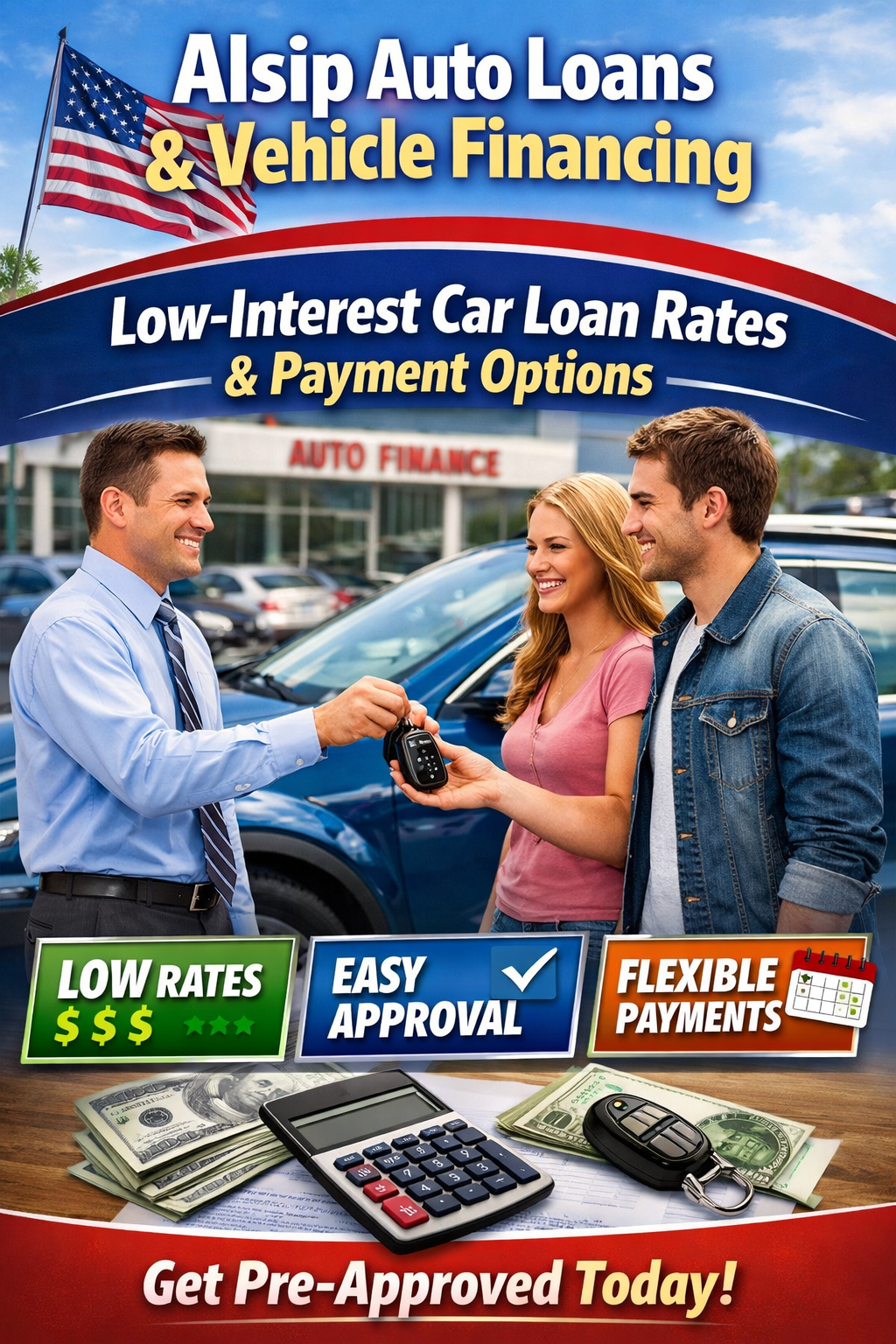
Alsip Auto Loans & Vehicle Financing: Low-Interest Car Loan Rates and Payment Options
Finding low interest car financing plans in Alsip, Illinois can make the difference between stretching your budget and driving away with an affordable used vehicle. Whether you need a vehicle loan for a new or used car, want to refinance a current loan, or are comparing credit union offers to dealership rates, understanding loan terms, APR, and monthly payment options will help you secure the best rate and lower interest over the life of your auto loan.
How can I qualify for low interest auto loan rates in Alsip?
Qualifying for lower interest rates on a vehicle loan in Alsip often depends on a combination of credit score, credit history, down payment, and the lender you choose. Credit unions in Illinois frequently offer competitive rates as low compared to banks or dealer financing, especially if you have a good credit score or an established checking account with the institution. Prospective borrowers should gather recent pay stubs, proof of residence, and vehicle information to speed up the qualification process.
To improve your chances to qualify, consider: 1) checking your credit score and correcting any errors; 2) increasing your down payment to reduce the loan amount and monthly payment; 3) opting for a shorter loan term like 36 months to secure a lower APR. Remember that rates may vary depending on the lender, loan terms, and whether you’re shopping for a new vehicle or a pre-owned truck or car.
What are typical loan rates and APR for used car financing in IL?
Loan rates and annual percentage rate (APR) for used car financing in Illinois can vary widely. Factors include borrower credit history, vehicle age and mileage, whether you finance through a credit union or a car dealer, and current market conditions. Used car APRs are often higher than new car rates because lenders consider higher risk with pre-owned vehicles; however, competitive dealerships and credit unions may offer rates as low as those for new and used cars under promotional specials.
When comparing offers, look beyond the advertised APR. Consider the total loan amount, loan term, and expected monthly payment. Use an auto loan calculator to estimate monthly payment and total interest paid for different loan terms. Keep in mind that rates are subject to change and may vary depending on subject to credit approval and current promotions from lenders or finance centers.
Should I finance through a credit union, dealer, or bank in Alsip?
Choosing between a credit union, dealer, or bank depends on your priorities: lowest interest rate, convenience, or speed of funding. Credit unions often provide lower loan rates and flexible terms, especially to members with solid credit histories. Dealers can be convenient and may offer promotional low interest financing or specials for new and used vehicles, but dealer rates sometimes include additional fees or higher APRs if you do not qualify for special programs.
Tips for deciding: 1) Prequalify with multiple lenders to compare loan rates and monthly payment estimates; 2) bring a preapproval from a credit union to the dealership to negotiate better dealer financing; 3) understand loan terms, warranties, and any dealer add-ons that can increase the purchase price or APR. This approach helps you secure the best vehicle loan and lower monthly payments on your next vehicle.
How can I lower my monthly payment on a vehicle loan?
Lowering your monthly payment can be achieved by negotiating a lower purchase price, increasing your down payment, extending the loan term, or refinancing later at a lower rate. While extending the loan term reduces monthly payment, it can increase total interest paid over time and may affect your credit profile. Making a larger down payment or trading in a vehicle reduces loan amount and can immediately lower monthly payment and APR in some cases.
If you already have a vehicle loan, refinancing is an option to reduce monthly payments or secure a lower interest rate. Refinancing depends on your current credit score and market loan rates; if credit has improved since you took the original loan, you may qualify for better rates. Use a vehicle loan calculator to compare current loan payments with proposed refinance terms and consider any fees or prepayment penalties associated with the current or new loan.
What documents and information are required to apply for auto financing in Alsip?
Applying for auto financing typically requires proof of identity, proof of income, proof of residence, and vehicle information if you’re purchasing a specific car. Common documents include a valid driver’s license, recent pay stubs or tax returns, bank statements, proof of insurance, and vehicle details like VIN, mileage, and purchase price. Credit unions may also request proof of membership eligibility.
Dealership finance centers will often handle much of the paperwork, but bringing your own documents speeds up the approval process. If you plan to refinance, bring your current loan statement, title information, and payoff amount. Having all documents ready improves your odds of qualifying for competitive rates and completing the purchase quickly.
When is refinancing a vehicle loan a smart move?
Refinancing a vehicle loan is smart when you can secure a lower interest rate or more favorable loan terms that reduce your monthly payment or total interest paid. Refinancing may be especially beneficial if your credit score has improved since you took out the original auto loan or if market rates have dropped. Borrowers in Alsip should compare current loan rates from credit unions and lenders to determine potential savings.
Consider refinancing if: 1) your new rate results in meaningful monthly savings; 2) refinancing does not extend the loan term excessively; 3) there are no costly prepayment penalties. Use an auto loan calculator to estimate the break-even point — when the refinance savings offset any fees. If the numbers align, refinancing can lower interest and reduce stress on loan payments.
How do dealerships in Alsip compete on rate and financing specials?
Alsip auto dealers and car dealers often run financing specials to attract buyers, including promotional rates, discounted APR for qualified buyers, and limited-time incentives for new and used cars. Certain dealers partner with manufacturers or local lenders to offer “rates as low” campaigns or special terms for well-qualified borrowers. These deals can be attractive but may require excellent credit or specific loan terms to qualify.
When evaluating dealer offers, ask specific questions: Are the rates subject to credit approval? What is the required down payment? Are incentives tied to choosing dealer financing versus an external lender? Compare dealer offers with preapprovals from credit unions or banks to ensure the dealer’s advertised rate truly provides the best financing option for your situation.
What role does credit score and credit history play in auto loan approval?
Credit score and credit history are central to auto loan approval and the interest rate you receive. A strong credit score typically earns lower APR and better loan terms, while lower scores can result in higher rates or limited lender options. Lenders assess payment history, length of credit, and recent inquiries to determine risk and set rates for vehicle loans and car loans.
If your credit history needs improvement, take steps before applying: reduce outstanding debts, make on-time payments, and avoid new credit inquiries. For buyers with less-than-perfect credit, credit unions and buy-here-pay-here dealers may provide options, but expect higher APR and stricter loan terms. Some borrowers use a co-signer to qualify for a lower interest rate and better loan terms.
Are there special financing options for trucks, high-mileage, or older used vehicles?
Financing older or high-mileage vehicles and trucks can be more challenging, but options exist. Lenders typically limit loan terms and rates for vehicles beyond a certain model year or mileage threshold. Some lenders and specialized dealers offer financing programs tailored to pre-owned trucks, high-mileage cars, and specialty vehicles, though those programs may come with higher interest rates or shorter loan terms.
To improve your chances: 1) choose a certified pre-owned unit with a warranty to reassure lenders; 2) shop local auto dealers and credit unions that offer flexible terms for new and used vehicles; 3) consider a larger down payment to lower the loan amount. Always compare offers and read the fine print — loan rates and qualification requirements may vary depending on the lender and the vehicle’s age or mileage.
How can I compare loan offers and calculate the best auto financing deal?
Comparing loan offers requires evaluating APR, loan term, monthly payment, total interest, and any fees or prepayment penalties. Use a vehicle loan calculator or auto loan comparison tools to input different APRs, loan amounts, and terms. This helps you see the real cost of each option and choose the deal that best matches your budget and credit profile.
When you compare, pay attention to: 1) total cost of the loan including interest; 2) length of the loan — shorter terms often save money over time; 3) whether promotional rates require dealer financing or other conditions. Getting preapproved from a credit union or lender gives you leverage at the dealership and helps you negotiate better rates and a lower purchase price for your next vehicle.
What common mistakes should buyers avoid when financing a used car?
Buyers often make mistakes like focusing solely on monthly payments, skipping preapproval, or accepting the first financing offer. Concentrating only on a low monthly payment can lead to longer loan terms and higher total interest. Always check APR and total loan cost. Failure to shop multiple lenders, including credit unions and banks, can cost you thousands over the life of the loan.
Other mistakes include not checking vehicle history or skipping an independent inspection for a used vehicle, which can lead to unexpected repair costs that affect your ability to make loan payments. Avoid signing without understanding loan terms, fees, and whether any dealer add-ons increase the loan amount. Being informed and using calculators and multiple preapprovals will help you secure a better finance outcome.
Conclusion: Key takeaways for low-interest car financing in Alsip, Illinois
- Compare credit union, dealer, and bank loan rates to find the lowest APR and loan payments.
- Prequalification and improving credit score can secure lower interest and better loan terms.
- Use an auto loan calculator to compare monthly payment, APR, and total interest across loan terms.
- Consider refinancing if rates drop or your credit improves to lower monthly payments or interest paid.
- A larger down payment or shorter loan term often results in lower rate and total cost.
- Watch out for dealer add-ons and read loan terms carefully; rates and offers may vary depending on credit and lender.
For buyers researching pre-owned vehicles and looking for competitive financing options, local Alsip auto dealers and credit unions can offer a range of financing choices. Premier Auto Works Inc, a Used Car Dealership in Alsip Illinois, works with lenders and credit unions to help customers secure vehicle loan solutions, refine finance strategies, and explore refinance options. Whether you’re searching for a used car, truck, or your next vehicle, discussing loan terms, APR, and payment strategies with a trusted dealer and lender can help you secure lower interest, manageable loan payments, and a financing plan that fits your credit history and budget.
Finding a reliable vehicle within a budget can be a challenging task, especially when looking for cars under $5K. This ultimate guide will walk you through essential tips and insights to help you secure the best used cars without breaking the bank. Understanding the used car market and what to look for in a pre-owned vehicle is crucial for any car buyer.
What Are the Best Used Cars Under $5K?
When searching for the best used cars under $5K, it’s important to consider factors like reliability, mileage, and the car’s history. Some of the top models include:
- Honda Accord
- Toyota Camry
- Nissan Altima
- Subaru Legacy
- Ford Fusion
These used cars are known for their durability and low maintenance costs, making them excellent choices for budget-conscious buyers. Always consult consumer reports to assess the reliability of these models.
How to Buy a Used Car Without Getting Scammed?
Buying a used car can be risky, but you can minimize your chances of getting scammed by adhering to these tips:
- Do thorough research on the vehicle’s history using the VIN.
- Request a pre-purchase inspection from a trusted mechanic.
- Be cautious of deals that appear too good to be true.
By following these steps, you’ll be better prepared to navigate the used car market and avoid pitfalls that could cost you money.
What to Consider When Purchasing a Used Vehicle?
When you’re ready to buy a used vehicle, consider the following aspects:
- Check the mileage and overall condition of the car.
- Look for any signs of rust or damage.
- Review the service records to understand its maintenance history.
Remember, a reliable used car should provide decent fuel economy and low cost of ownership, allowing for affordable transportation.
Are There Reliable SUVs Under $5K?
Yes, there are several reliable SUVs under $5K that offer versatility and space. Some models to consider include:
- Toyota RAV4
- Honda CR-V
- Nissan Rogue
- Subaru Forester
These SUVs typically offer all-wheel drive options and have a reputation for reliability. Make sure to check their gas mileage and overall maintenance costs before making a decision.
How Do I Finance a Used Car?
Financing a used car can be straightforward if you follow these steps:
- Check your credit score to understand your financing options.
- Shop around for loan offers from banks and credit unions.
- Consider getting pre-approved for a car loan.
Being informed about your financing options can help you secure the best deal when you’re ready to buy a car.
What Is the Average Price for a Used Car?
The average price of a used car can vary greatly depending on factors like the make, model, and condition. However, many decent used cars can be found in the $5K price range. Here are some examples:
- Honda Civic – Known for reliability and efficiency.
- Toyota Corolla – Offers great gas mileage.
- Nissan Sentra – A popular choice for budget-minded buyers.
Consult resources like Kelley Blue Book to understand the fair market value of the car you’re considering.
What Are the Benefits of Buying Older Cars?
Buying older cars can have several advantages:
- Lower purchase price compared to newer models.
- Less depreciation, meaning the car retains its value better.
- Insurance costs are generally lower for older vehicles.
Older models, especially those from reliable brands like Honda and Toyota, can provide excellent performance at a fraction of the cost of newer cars.
How Can I Ensure Good Fuel Economy?
When considering fuel economy, look for cars that are known for their MPG ratings. Here are some tips to ensure good fuel efficiency:
- Opt for vehicles with smaller engines and lighter body designs.
- Regular maintenance can help maintain good gas mileage.
- Avoid aggressive driving, which can decrease fuel efficiency.
Cars like the Honda Civic and Toyota Prius are excellent examples of vehicles that offer reliable and affordable fuel economy.
What Are the Most Common Mistakes to Avoid When Buying Used Cars?
To avoid pitfalls in the buying process, be aware of these common mistakes:
- Not doing enough research on the car model and its reliability.
- Skipping the pre-purchase inspection.
- Neglecting to take the car for a test drive.
Avoiding these missteps can help ensure you buy a car that meets your needs without unexpected costs down the road.
Where Can I Find Affordable Used Cars for Sale?
There are numerous places to find affordable used cars for sale, including:
- Online marketplaces like Craigslist and Facebook Marketplace.
- Dealerships that specialize in used vehicles.
- Auction sites where cars are sold at competitive prices can offer great deals.
Premier Auto Works Inc, a reputable used car dealership in Alsip, IL, provides a range of dependable and budget-friendly options to suit your needs.
How to Negotiate the Best Deal on a Used Car?
Negotiating the price is an essential part of the car-buying process. Here are some strategies:
- Know the market value of the vehicle using resources like Kelley Blue Book.
- Offer a price based on research rather than the seller’s asking price.
- Be prepared to walk away if the deal doesn’t meet your expectations.
Effective negotiation can help you secure the best deal and save money on your purchase.
Conclusion
In conclusion, buying a used car under $5K can be a rewarding experience if you approach it with the right knowledge and tools. From choosing the best models to understanding financing options, this guide provides valuable insights for any budget-conscious car buyer. If you’re in the market for reliable used cars, consider visiting Premier Auto Works Inc, your go-to used car dealership in Alsip, IL, where you can find an array of used cars for sale that fit your budget.
Frequently Asked Questions
1. What are the best used cars under $5K?
Ans: Some of the best used cars under $5K include older models of Honda Civics, Toyota Corollas, and Nissan Sentras. These vehicles are known for their reliability and low maintenance costs.
2. How can I finance a used car on a budget?
Ans: You can finance a used car by looking for low-interest car loans, considering credit unions, or saving for a larger down payment to reduce monthly payments.
3. Where can I find affordable used cars for sale?
Ans: Affordable used cars can be found at local used car dealerships, online marketplaces like Craigslist and Autotrader, or through classified ads.
4. What should I check before buying a used vehicle?
Ans: Before buying a used vehicle, check its mileage, maintenance history, and overall condition. It’s also a good idea to have a mechanic inspect the car to uncover any potential hidden issues.
5. Are SUVs available for under $5K?
Ans: Yes, there are several older SUVs available for under $5K, such as the Honda CR-V and Ford Escape. However, be sure to research their reliability and fuel economy.
6. How do I avoid buying a lemon when looking for a car?
Ans: To avoid buying a lemon, research the car’s history using services like Carfax, read consumer reports, and always take the car for a test drive before finalizing your purchase.
Top Benefits of Buying a Used Car Over a New One
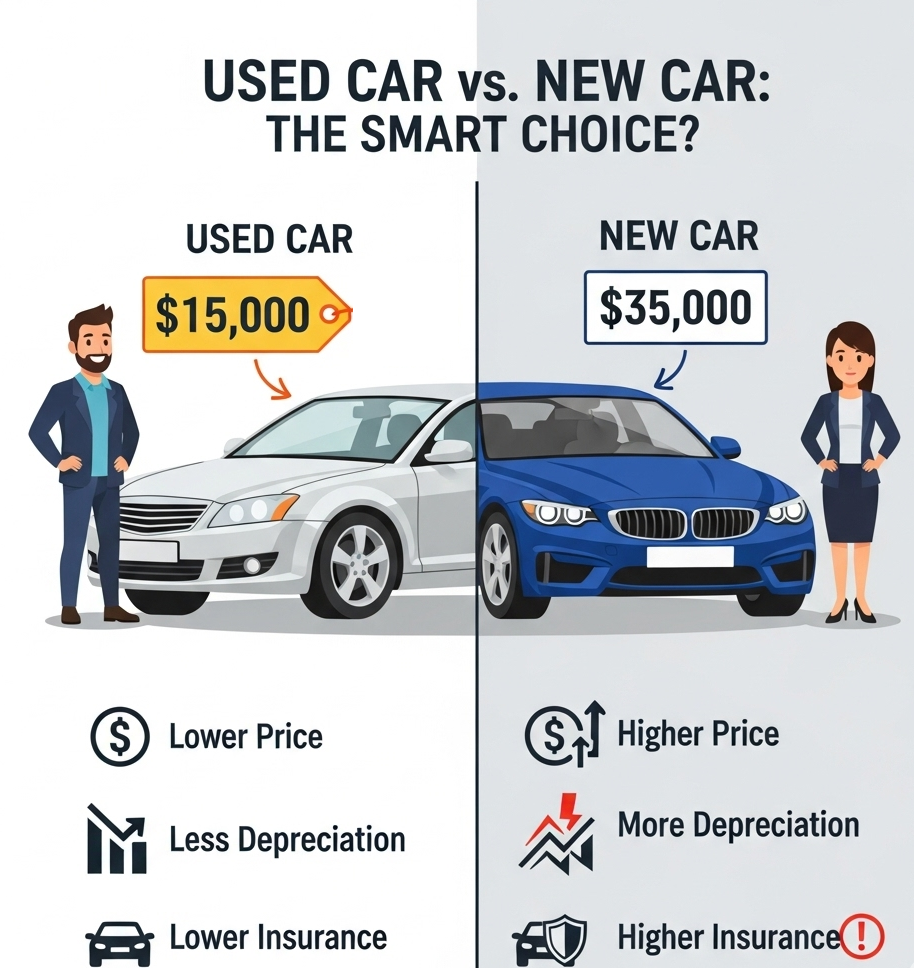
In today’s market, many car buyers face the dilemma of whether to buy a new or used car. While new vehicles come with the latest technology and features, the advantages of buying a used car often outweigh those of purchasing a brand-new car. This blog post will explore the top benefits of buying a used car over a new one, helping you make an informed decision.
What Are the Financial Advantages of Buying a Used Car?
One of the most significant benefits of buying a used car is the financial advantage it offers. Used vehicles generally have a much lower price tag compared to new cars. This means that you can get more value for your money, allowing you to either buy a higher-end model or save on monthly payments. Additionally, used cars depreciate at a slower rate, meaning their value remains more stable over time.
Additionally, financing rates for used cars are generally lower compared to those for new vehicles. Many banks and credit unions offer competitive loan rates for used cars, making it easier for buyers to finance their purchase. This financial flexibility allows you to allocate your budget more effectively, ensuring that you get the most out of your investment.
How Does Depreciation Affect Your Decision to Buy a Used Car?
Depreciation is an important factor to weigh when choosing between purchasing a new car or a used one. New cars lose value rapidly, especially within the first few years of ownership, with an average depreciation rate of about 20% to 30% in the first year alone. In contrast, used vehicles have already undergone this significant depreciation, meaning that you can purchase a car that retains more of its value over time.
By choosing to buy a used car, you’re less likely to feel the impact of depreciation. This is particularly beneficial if you plan to sell the car in a few years. A used vehicle can provide a better resale value, ensuring that you don’t lose as much money when it’s time to sell.
What Are the Insurance Benefits of Buying a Used Car?
An additional benefit of purchasing a used car is the possibility of paying lower insurance premiums. Insuring a new vehicle can be expensive, as insurance premiums are often based on the car’s value and the cost of repairs or replacement. Used cars typically have lower insurance premiums, which can lead to significant savings over the years.
When shopping for a used vehicle, it’s important to compare car insurance options carefully. Many insurance companies offer competitive rates for used cars, and factors like mileage, safety ratings, and the vehicle’s history can also influence premiums. By choosing a used car, you can enjoy peace of mind knowing that your insurance costs are manageable.
Top Benefits of Buying a Certified Pre-Owned Vehicle?
Buying a certified pre-owned (CPO) vehicle can provide car buyers with the best of both worlds. CPO cars are typically newer used vehicles that have undergone rigorous inspections and come with warranties from the manufacturer. This means you can enjoy the benefits of a used car while having the added assurance of a warranty.
Many buyers opt for CPO vehicles because they find that the benefits of buying a certified pre-owned vehicle include lower financing rates and extended warranties. Additionally, CPO cars often come with vehicle history reports, giving you peace of mind about the car’s maintenance and accident history.
What Are the Pros and Cons of Buying a Used Car?
Understanding the pros and cons of buying a used car is essential for making an informed decision. On the positive side, used cars offer lower prices, slower depreciation, and decreased insurance costs. They also provide a wider selection of models and features, allowing buyers to find a vehicle that suits their needs without breaking the bank.
However, there are some cons of buying a used car to consider. These may include a lack of the latest technology or safety features found in new vehicles, potential maintenance issues depending on the car’s age, and the possibility of purchasing a vehicle with an unknown history. To reduce these risks, it’s essential to do in-depth research and review vehicle history reports before buying.
How Do Monthly Payments Compare Between New and Used Cars?
When it comes to monthly payments, buying a used car is often the more budget-friendly option. The lower purchase price of a used vehicle translates to smaller monthly payments, making it easier for buyers to stay within their budget. Additionally, because used cars tend to have lower financing amounts, you may find that loan rates are more favorable compared to new cars.
For buyers considering their financing options, it’s advisable to check with both banks and credit unions to find the best loan terms. Many credit unions offer competitive rates for used car loans, which can further enhance the affordability of buying a used vehicle.
How Does Buying a Used Car Impact Your Environmental Footprint?
Choosing to buy a used car can also have a positive impact on the environment. By opting for a pre-owned vehicle, you’re reducing the demand for new cars, which require significant resources to manufacture. This includes raw materials, energy consumption, and waste production associated with the production of new vehicles.
Additionally, used cars can contribute to a decrease in overall carbon emissions. By keeping a car on the road longer, you’re helping to minimize the environmental impact associated with manufacturing and disposing of vehicles. This choice not only benefits you financially but also supports a more sustainable approach to transportation.
What Should You Look for When Considering a Used Car?
When considering a used car, there are several factors to keep in mind to ensure you make a wise purchase. First, always look for a vehicle history report to check for any past accidents or issues. This report can provide valuable insight into the car’s condition and maintenance history.
Next, consider the mileage of the vehicle. A car with lower mileage may be more desirable, but don’t overlook older cars that have been well-maintained. It’s also important to inspect the car thoroughly and take it for a test drive to assess its performance. Finally, consider obtaining a certified pre-owned vehicle for added peace of mind and warranty coverage.
What Are the Long-Term Benefits of Buying a Used Car?
Long-term benefits of buying a used car can include lower overall costs, including insurance, repairs, and depreciation. Over the years, a used vehicle can prove to be a more economical choice, allowing you to allocate your savings toward other interests or investments.
Furthermore, with a used car, you have the flexibility to upgrade to another vehicle sooner than you might with a new car. If you decide to sell your used vehicle in a few years, you can reinvest that money into a different car or save for other expenses. In this way, purchasing a used car can provide not just short-term savings but also long-term financial benefits.
How Can Premier Auto Works Inc. Help You Buy a Used Car?
When it comes to buying a used car, Premier Auto Works Inc. in Alsip, IL, is your go-to dealership. They offer a wide selection of pre-owned vehicles, including certified pre-owned options, ensuring that you find the right car for your needs. With a transparent buying process and vehicle history reports available, you can shop with confidence.
Additionally, Premier Auto Works Inc. offers competitive financing rates and can help you navigate the pros and cons of buying a used vehicle. Whether you’re interested in lower insurance rates or understanding the warranty options available for your purchase, their knowledgeable staff is ready to assist you in making an informed decision.
- Financial advantages like lower prices and financing rates
- Slower depreciation rates for better resale value
- Lower insurance costs contribute to overall savings
- Peace of mind with certified pre-owned options and warranties
- Environmental benefits by reducing new car demand
In conclusion, the benefits of buying a used car over a new one are numerous, including financial savings, reduced depreciation, and lower insurance rates. For those considering purchasing a used vehicle, Premier Auto Works Inc. provides an excellent selection and expert guidance to ensure you make the best decision for your needs.
The Perks of Buying a Low-Mileage Used Car
There is hardly anything as exciting as buying a car. But with so many options available, it’s easy to feel overwhelmed by the choices. While new cars often catch the eye, there’s a hidden treasure in the form of used cars with low mileage. These vehicles offer a range of benefits that can make your decision easier and your wallet happier.
Let’s dive into the advantages and see how this option can be a smart and satisfying choice for your next vehicle. And who knows, you might even have enough left over for those extra fries on your next road trip!
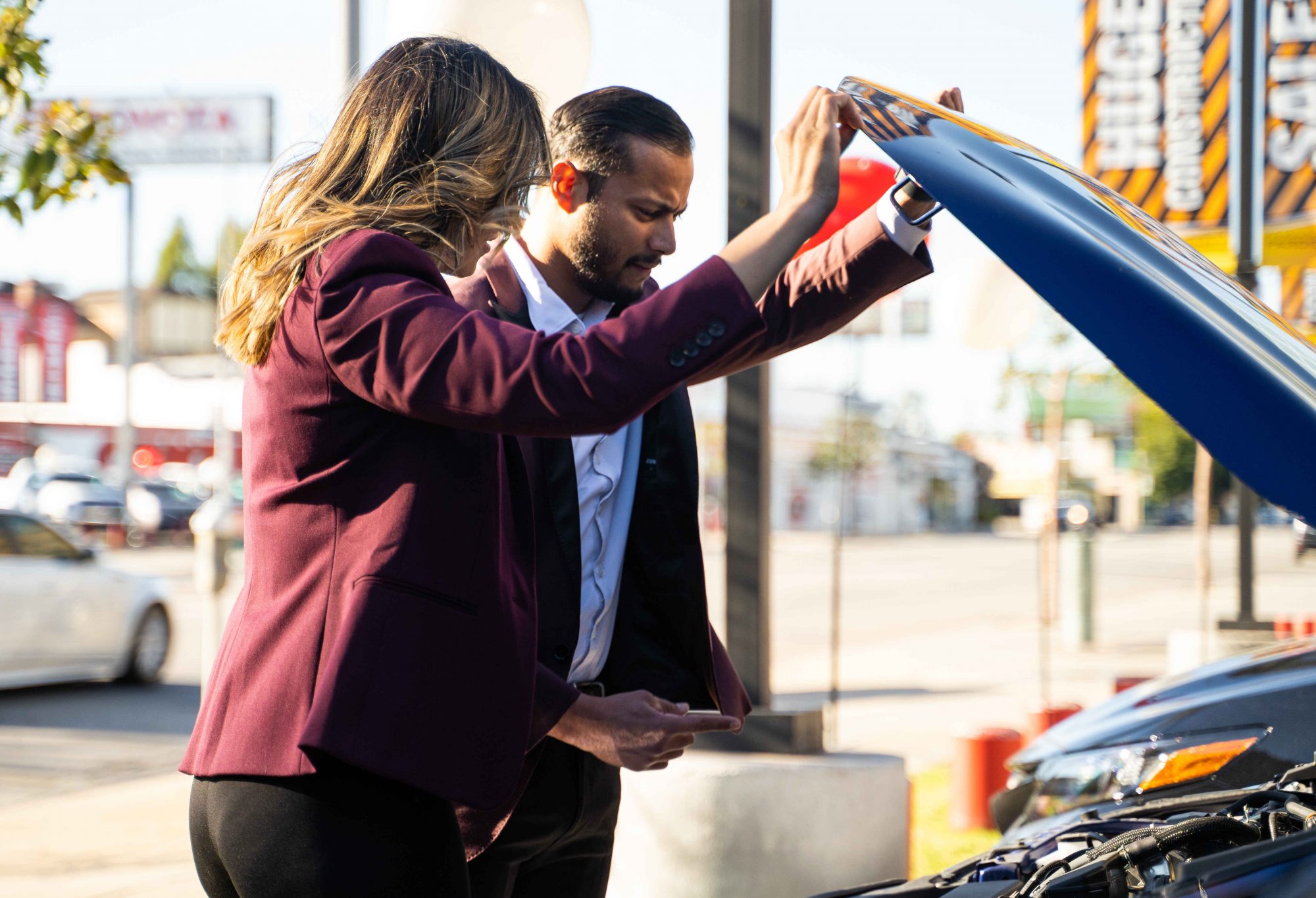
Cost Savings
One of the advantages of buying a used car with low mileage is the cost savings. New cars experience a rapid decline in value as soon as they’re driven off the lot, with a substantial decrease in worth over the first few years. A used car can help you avoid this sudden fall in value. This means you get a nearly new car without paying the new car price.
It’s like buying last season’s model at a discount but enjoying all the benefits. Your budget will appreciate the savings, and you’ll still drive away with a reliable vehicle.
Immediate Availability
Waiting for a new car to be delivered can feel like waiting for water to boil—agonizingly slow. With a used car, especially one with low mileage, what you see is what you get. You can drive it off the lot almost immediately, making the whole process much quicker and more satisfying.
There’s no need to wait weeks for a special order or the right color. You find a car you like, complete the paperwork, and drive home the same day. It’s instant gratification at its best.
Unique Customizations
Previous owners often add unique customizations to their cars, which can be a delightful bonus when you buy used vehicles. Whether it’s a quirky bumper sticker, custom seat covers, or a handy phone mount, these little extras can be a pleasant surprise.
You might find features that make your car stand out from the sea of identical new models. These custom touches can add personality and practicality to your vehicle, saving you the trouble and expense of making these modifications yourself.
Parking Lot Advantage
New cars can be a magnet for dings and scratches in parking lots. A used car, especially one with a few minor imperfections, can take the stress out of parking in tight spots. You’ll be less worried about the odd scratch or dent, making errands a more relaxed experience.
The peace of mind from not having to obsess over every little mark on your car is invaluable. Plus, you can park in crowded lots without fear, knowing that a small ding won’t ruin your day.
Road-Trip Ready
Low-mileage used cars are perfect for road trips. They have enough mileage to prove their reliability but are still fresh enough to tackle long journeys without worry. Pack your bags and confidently hit the open road, knowing your car is up to the task.
Whether planning a cross-country adventure or a weekend getaway, a used car with low mileage can handle the trip without the fear of significant breakdowns. It’s a reliable companion for all your travel plans.
More Room for Negotiation
There’s often more room to haggle with used cars. Dealers are usually more willing to negotiate on price, which means you can get a better deal. Brush up on your negotiating skills and enjoy the thrill of securing a fantastic bargain.
This flexibility can lead to significant savings and a sense of accomplishment from getting a good deal. It’s a chance to use your bargaining power to your advantage and drive away with a great car at a great price.
Wide Selection
The market for used cars is vast, offering a wide selection of makes, models, and features. When you focus on low-mileage vehicles, you can find well-maintained cars that suit your needs and preferences. This variety allows you to choose the perfect vehicle without having to settle.
Whether you’re looking for a compact car, an SUV, or something in between, a low-mileage used car will likely fit your criteria.
Better Resale Value
If you decide to sell your car in the future, a used car with low mileage will likely fetch a better resale value than a high-mileage counterpart. Buyers are often willing to pay more for a vehicle driven less, viewing it as a safer and more reliable option. This means you can get a better return on your investment when it’s time to upgrade or change vehicles.
Advanced Features at a Lower Price
New cars come with the latest technology and features, but these advancements often trickle down to used vehicles within a few years. By purchasing a low-mileage used car, you can still enjoy modern features such as advanced safety systems, infotainment options, and comfort enhancements without paying the premium price of a new car. It’s a smart way to enjoy the latest technology without the high cost.
Partial New Car Smell
Let’s be honest, one of the joys of a new car is that new car smell. While it may not be as strong in a used car, low-mileage vehicles often retain a bit of that fresh scent. You get to enjoy the feeling of a new car without the hefty price tag. It’s a small perk that can make your driving experience more enjoyable.
Personal Growth Opportunity
Lastly, buying a used car can be a great learning experience. You become more informed about car values, maintenance, and negotiation tactics. It’s an opportunity for personal growth that goes beyond just acquiring a new vehicle.
You’ll gain valuable knowledge and skills that can benefit you in future car purchases and other areas of life. This experience can make you a more confident and savvy car buyer, ready to easily tackle any future vehicle needs.
Final Thoughts
Choosing a used car with low mileage can be a smart and satisfying decision. From saving money and reducing environmental impact to enjoying unique customizations and interesting backstories, these vehicles offer many benefits that make them a worthwhile option. The immediate availability, lower ownership costs, and added comfort only sweeten the deal. If you’re ready to explore the advantages of buying a used car with low mileage, look no further than Premier Auto Works, Inc. With a wide selection of high-quality used vehicles, personalized service, and a commitment to customer satisfaction, they can help you find the perfect car to fit your needs and budget. Visit Premier Auto Works Inc. today to start your car-buying journey and discover the many benefits of choosing a used car with low mileage. Your next adventure awaits!