Lease vs Buy: Should You Lease or Buy a Car in Alsip?
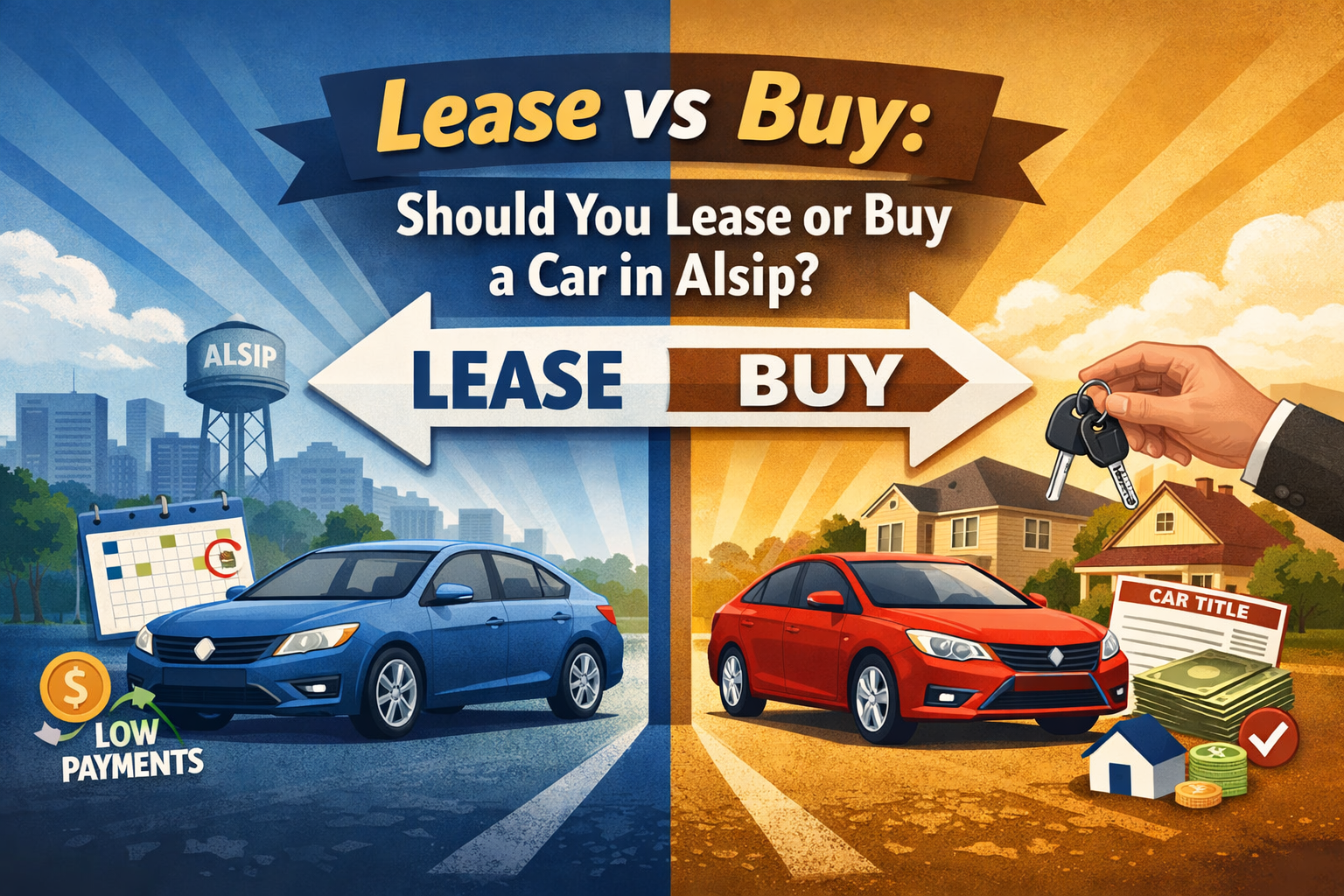
Deciding whether to lease or buy is one of the biggest choices Alsip, Illinois drivers face when getting a used car. Understanding lease vs buy options, monthly payment differences, mileage limits, warranty coverage, and repair costs helps you make an informed decision that matches your driving habits, budget, and plans to keep the car long-term.
What are the main differences between leasing a car and buying a car?
Leasing or buying a car affects upfront costs, monthly payment expectations, and long-term ownership. When you lease a new vehicle, you typically pay a lower monthly lease payment compared to financing to buy a car because you’re paying for depreciation during the lease term rather than the total cost of the vehicle. Leasing may include manufacturer’s warranty coverage for most of the term, which can lower repair costs during the lease.
Buying a new or used vehicle often involves higher monthly payments but gives you the option to buy the car at the end of the loan and avoid mileage limits. If you plan to keep the car for many years, buying may provide better value vs buying a new one every few years. Financing options at a dealership or used car lot like Premier Auto Works Inc can help you compare buy vs lease scenarios.
How do the monthly payments and overall costs compare when you buy or lease?
One of the biggest draws of leasing is a lower monthly payment. Lease payments are generally lower because you pay for the vehicle’s depreciation over the lease term rather than the full cost. For Alsip drivers targeting lower monthly payments, leasing a car can make a higher-end model or SUV more affordable in the short term.
However, the cost of the vehicle over the long run often favors buying. Buying may result in higher payments initially, but once the loan is paid off, you own the asset with no monthly payments. Consider repair costs after the manufacturer’s warranty ends, potential higher auto insurance premiums for leased vehicles, and the cost of exceeding mileage restrictions when calculating total cost versus leasing and buying.
What role do mileage limits and driving habits play in deciding lease vs buy?
Mileage is a crucial factor when choosing whether to buy or lease. Lease agreements include mileage limits—often quoted as miles per year or annual mileage—which, if exceeded, result in excess mileage fees at lease end. If your driving habits include long commutes or frequent road trips, leasing may cost more because of mileage restrictions.
Buyers who plan to keep a vehicle and drive more miles annually avoid mileage restrictions and the penalties of the lease end. For Alsip drivers with variable driving habits, evaluate your typical miles per year and ask the dealership about higher mileage lease options or choose to buy to prevent future excess charges.
Are manufacturer’s warranty and repair costs different for leasing vs buying?
Leasing a new vehicle often comes with manufacturer’s warranty coverage for most or all of the lease term, which reduces repair costs and unexpected expenses. This is one reason leasing may appeal to drivers who want predictable maintenance and fewer surprise repair bills during the lease term.
Buying a used car or a new car transfers long-term repair costs to the owner after warranty coverage expires. Buyers should budget for maintenance and repair costs, especially for older used vehicles. A The dealership can help you understand warranty coverage and service plans that may help lower repair costs, whether you choose to buy or lease your next vehicle.
How does choosing a new vehicle versus a used car affect buy or lease choices?
New vehicle leases are popular because the latest models – leasing programs often include incentives, lower monthly lease payments, and manufacturer’s warranty coverage. Leasing may let you drive an SUV or new car with the latest features for less than financing a purchase of the same model.
Used cars are often bought rather than leased. Buying a used vehicle can provide lower overall cost and lower payments in some cases, and avoids the lease agreement’s mileage restrictions and end of the lease fees. If you’re shopping for used vehicles in Alsip, compare financing options and the benefits of buying used vs leasing new.
What are the common pros and cons of leasing a car for Alsip drivers?
Pros and cons of leasing include several tradeoffs. Pros: lower monthly payment, the ability to drive a new car more frequently, warranty coverage during the lease term, and likely lower repair costs. Cons: mileage restrictions, possible excess wear-and-tear charges, lease end penalties, and no ownership equity.
Leasing may appeal if you want to upgrade every few years and pay less monthly. However, if you dislike annual mileage limits or want long-term ownership, leasing and buying should be contrasted carefully. Consider cons of leasing such as mileage restrictions and the inability to buy the vehicle outright without an additional purchase option in the contract.
What are the advantages and disadvantages of buying a vehicle versus leasing?
Benefits of buying include ownership, the ability to customize the vehicle, no mileage limits, and potential long-term savings once loans are paid off. Buying a car gives you equity and the flexibility to sell or trade at any time. Buying may also be better if you plan to keep the car for many years because you pay less over time vs repeated leases.
Cons of buying include higher monthly payments for new car loans, higher upfront costs in some cases, and potential repair costs after warranty coverage expires. Buying a used car can mitigate some of these cons but requires careful inspection and awareness of warranty coverage and repair costs. Dealerships and used car specialists can help you weigh these factors when deciding whether you should buy or lease.
How should I think about lease term, lease agreement details, and end of the lease?
Understanding the lease term and lease agreement details is essential when leasing a car. Pay attention to the term length, annual mileage allowance, excess wear-and-tear definitions, and any fees at the lease end. A longer lease term may lower monthly lease payments but could reduce flexibility to upgrade to a new car.
At the end of the lease, you can return the vehicle, pay any excess mileage or wear fees, or choose to buy the car if the lease agreement includes a buyout option. Plan ahead for the lease end by reviewing the lease agreement and considering whether you want to lease your next vehicle, return the vehicle, or buy the car from the leasing company.
How do financing options and dealership incentives influence buy vs lease decisions?
Dealerships often offer different financing options, lease specials, and manufacturer incentives that can change whether leasing or buying is cheaper in the short term. Lease specials may include lower monthly lease payments, promotional terms on new vehicles, and attractive deals on SUVs and popular models.
Financing options for buying—such as low-interest loans or rebates—can tilt the balance toward buying. Compare the total cost of the vehicle, the monthly payment, and the cost of ownership over your intended period. A trusted dealership or used car dealer can help you analyze lease vs buy scenarios and help you make an informed decision based on current incentives.
How do auto insurance, taxes, and registration differ between leasing and buying?
Auto insurance requirements can differ: leasing companies typically require higher levels of coverage, such as low deductibles and comprehensive coverage, which can raise insurance costs compared to buying. Taxes may be assessed differently; some states tax monthly lease payments rather than the full purchase price, affecting monthly cost calculations.
Registration fees and other state-specific costs should be included in your buy vs lease comparison. Make monthly payment projections that include auto insurance premiums, taxes, and registration so you have a clear picture of total monthly obligations while leasing or buying a vehicle.
How can I decide whether leasing or buying is right for me based on my goals?
To choose between leasing and buying a car, evaluate your driving habits, budget, and long-term goals. If you want lower monthly payments, like driving new models regularly, and keep within mileage restrictions, leasing may be your better option. If you plan to keep a vehicle for many years, drive heavy miles, or want to avoid mileage restrictions and build equity, buying could be preferable.
Make a checklist: estimate miles per year, desired monthly payment, how long you plan to keep the next car, anticipated repair costs, and whether you prefer warranty coverage. Use that to decide whether leasing or buying aligns with your priorities and consult with a dealership to explore tailored financing options and the pros and cons of leasing vs buying a car.
What practical steps can help you make an informed decision about buy vs lease?
Follow these steps to make an informed decision: 1) Calculate your typical miles per year and driving habits; 2) Compare total cost of ownership vs lease payments including taxes, insurance, and repair costs; 3) Evaluate warranty coverage and anticipated repair needs post-warranty; 4) Get quotes for both lease and buy from dealerships and financing institutions.
Ask the dealership to provide clear examples: expected monthly payment for a lease, residual value, lease term, buyout price at lease end, and financing rates for buying. Consider used vehicles too—buying a quality used SUV or car can often offer the best balance of lower cost and flexible ownership if repair histories and warranty coverage are favorable.
How do specific models like SUVs or used vehicles affect the lease versus buying decision?
SUVs and popular new models often have attractive lease programs, which may lower monthly lease payments and include incentives from the manufacturer. Leasing and buying vary by model due to depreciation rates; vehicles that depreciate quickly may have lower lease costs because residual values are factored in differently.
When considering used vehicles, buying usually makes more sense because used car prices are lower and you avoid leasing and buying conflicts like mileage limits. If you’re focused on an SUV or a specific make, research residual values, reliability, and typical repair costs to see whether buying or leasing offers better value long-term.
How can dealerships and dealers help you choose whether to buy or lease?
A reputable dealership or used car dealer can break down the numbers for you and help you compare buy vs lease options tailored to your needs. They can provide test drive opportunities, explain lease agreement details, show financing options, and give clear comparisons of monthly payments, warranty coverage, and repair cost expectations.
Dealerships may offer special lease and financing programs and can help you understand the cons of leasing and cons of buying in your specific situation. Use dealer expertise to review manufacturer’s warranty coverage, end-of-lease procedures, and buyout options so you can make a confident decision.
Summary — key takeaways to help make an informed decision
- Leasing often yields a lower monthly payment and includes manufacturer’s warranty coverage, but comes with mileage limits and end-of-lease fees.
- Buying a car usually has higher monthly payments up front but builds equity, avoids mileage restrictions, and may be cheaper long-term if you plan to keep the vehicle.
- Consider driving habits: heavy miles favor buying; predictable, moderate miles can favor leasing.
- Factor in repair costs, warranty coverage, auto insurance differences, taxes, and registration when comparing total ownership cost vs leasing.
- Get quotes from dealerships, compare financing options, and examine lease term and lease agreement details before deciding.
Whether you choose to lease your next car or buy a vehicle in Alsip, IL, use these guidelines to weigh lease vs buy options carefully. Local dealerships and used car dealers can help you test drive, compare payments, and understand mileage restrictions, warranty coverage, and repair costs. For drivers researching pre-owned vehicles and leasing or buying a car, Premier Auto Works Inc, a Used Car Dealer in Alsip, IL, can help you make an informed decision whether leasing or buying is right for you. They can show SUV and used vehicle options, explain the benefits of buying versus leasing, clarify mileage limits, discuss manufacturer’s warranty, and review financing options to help you pay less or choose to buy based on your driving habits and goals.